

Cargo routing decides how long cash remains frozen in global transport loops. International shipping relies on four distinct staging facilities: Container Freight Stations, Container Yards, Foreign Trade Zones, and Bonded Warehouses. Each venue handles cargo, duties, and physical movement under different legal frameworks. Matching shipment characteristics to facility capabilities prevents unexpected charges, clearance bottlenecks, and tax liabilities.
Container Freight Station Mechanics
A Container Freight Station operates near ocean ports or airports. Facilities of this type manage shared container space. Small shipments from multiple suppliers gather here for LCL consolidation and deconsolidation, so a bonded warehouse, a CFS and a container yard often sit a few kilometres apart and do very different jobs.
Before outbound sailing, workers pack mixed cargo into single containers. Upon inbound arrival, workers unload and sort individual commercial lots before customs clearance. Basic handling includes light processing, unpacking, and repackaging. Customs duties become payable immediately when products pass into the domestic market.
Using a Container Freight Station introduces specific operational hazards:
- Physical damage can occur during manual unpacking or repacking.
- Terminal congestion causes processing delays.
- Sorting mistakes lead to inventory mismatches.
Container Yard Operations
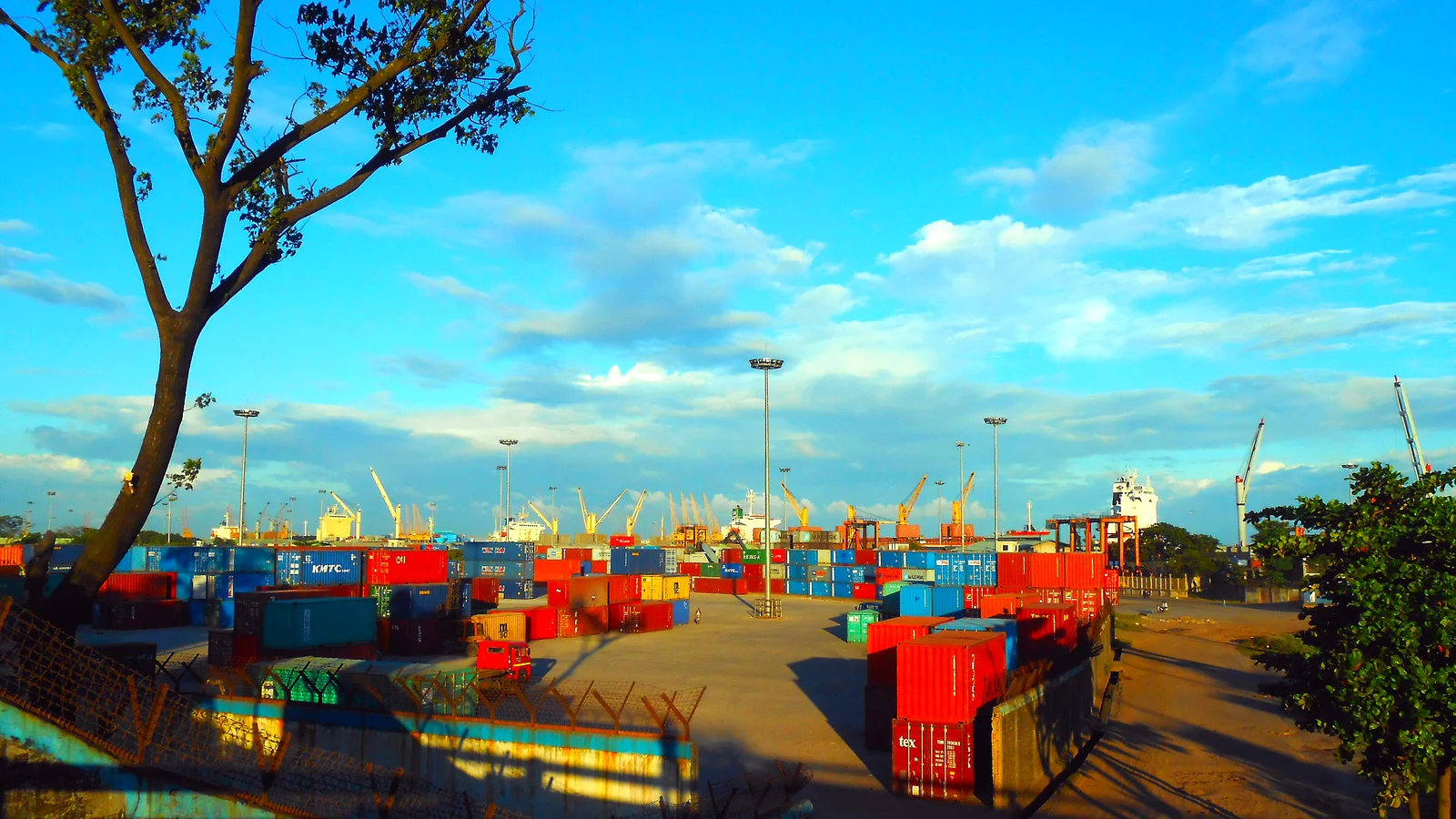
Container Yards sit within or adjacent to port terminals and transport nodes. These staging sites handle FCL yard storage for whole, sealed ocean boxes.
Unlike freight stations, container yards execute physical stacking and container moves without opening cargo doors. Most yards do not process commodities or break down shipments. Full containers remain stacked awaiting vessel loading or hinterland rail transport. Import tariffs become due when the container leaves the yard perimeter for local domestic distribution.
Storage in container yards involves distinct risks:
- Weather exposure and handling equipment can damage container shells.
- Extended holding times generate steep demurrage charges.
- Customs hold delays disrupt downstream trucking schedules, which is easier to plan around when you track the container to the gate.
Duty Management via Foreign Trade Zones
A Foreign Trade Zone (in the US, run under the Foreign-Trade Zones Board) is a restricted, supervised area treated legally as existing outside national customs territory. Zones sit near ocean ports, airports, and transport hubs.
Operating within these areas provides core Foreign Trade Zone benefits. Importers bring raw goods, parts, and finished products into the zone to defer, reduce, or eliminate tariffs. Allowed activities include manufacturing, assembly, processing, sorting, and repacking under customs supervision, including U.S. Customs and Border Protection (CBP) maintenance. Goods exported directly from the zone incur zero domestic import duties. Tariff payments apply only when finished products leave the zone to enter the domestic market. Companies use this import duty deferral strategy to protect working capital during production cycles.
Foreign Trade Zone usage carries clear risks:
- Shifting national trade regulations alter compliance obligations.
- Tracking duty rates for mixed components entering and leaving zones creates administrative complexity.
- Multiple regulatory layers can over-complicate daily warehouse workflows.
Bonded Warehouse Rules and Jurisdictions
A Bonded Warehouse holds foreign cargo under direct customs supervision while tariffs, VAT, and tax obligations remain suspended. These facilities support supply chain tariff optimization by giving enterprises time to clear paperwork, organize re-exports, or sell goods into local channels without paying upfront fees. Some light processing, packing, and labeling occur inside bonded areas.
Customs agencies manage bonded operations under national laws:
- United States: Authorities under U.S. Customs and Border Protection (CBP) enforce strict rules, permitting cargo to remain duty-free prior to formal entry or outward re-shipment.
- European Union: Shipments remain exempt from import tariffs and VAT until declared for local consumption or shipped outside member territory.
- United Kingdom: Rules enforced by HM Revenue and Customs (HMRC customs warehousing) let traders store commercial stock free of VAT or import levies until released domestically or re-exported.
- China: Facilities hold foreign freight under duty suspension, permitting secondary assembly, repackaging, or physical processing before foreign re-export.
- India: Commercial enterprises retain imported merchandise tariff-free until finalizing clearance for internal consumption or foreign re-export.
- Singapore: Direct supervision by Singapore Customs provides flexible storage choices and deferred tax schedules for domestic placement or regional re-export.
Bonded warehouse customs compliance requires attention to specific operational risks:
- Incomplete documentation or incorrect paperwork triggers customs delays.
- Prolonged holding times accumulate high storage fees.
- Mismanaged storage conditions risk product damage or spoilage.
Selection Checklist
Choosing the right logistics facility depends on five operational factors.
1. Shipment Structure
- Small or mixed commercial lots needing packing or breakdown require a Container Freight Station for LCL consolidation and deconsolidation.
- Sealed, full container loads needing pre-clearance holding require FCL yard storage in a Container Yard.
- Raw materials or parts requiring assembly, manufacturing, or processing alongside duty deferral require a Foreign Trade Zone.
- Commercial imports requiring extended storage, duty deferral, or pending re-export require a Bonded Warehouse.
2. Processing Requirements
- Basic handling limited to unpacking and packing: Container Freight Station.
- Full manufacturing, industrial processing, or product assembly: Foreign Trade Zone.
- Secondary packaging, labeling, or light touch-ups: Bonded Warehouse.
- Zero processing or cargo opening: Container Yard.
3. Clearance and Duty Strategy
- Immediate duty settlement upon domestic entry: Container Freight Station or Container Yard.
- Duty deferral, reduction, or elimination on imports and re-exports: Foreign Trade Zone or Bonded Warehouse.
4. Turnaround Urgency
- Rapid cargo sorting and immediate dispatch: Container Freight Station.
- Short-term staging before onward transport or clearance: Container Yard.
- Industrial assembly runs combined with deferred duties: Foreign Trade Zone.
- Extended holding periods prior to final clearance or export: Bonded Warehouse.
5. Storage Duration
- Short-term storage prior to shipping or domestic pickup: Container Freight Station or Container Yard.
- Long-term storage paired with customs clearance management: Foreign Trade Zone or Bonded Warehouse.
Frequently asked questions
What is the difference between a bonded warehouse and a foreign trade zone?
Both let goods sit without paying import duty straight away. A bonded warehouse mainly stores goods under customs control until they are released or re-exported. A foreign trade zone also allows processing, assembly and manufacturing, and the duty can be calculated on the finished product.
What is a CFS in shipping?
A container freight station is a facility where LCL cargo from several shippers is packed into a shared container for export, or unpacked and sorted after import so each consignee can collect its part.
Do I pay duty on goods held in a bonded warehouse?
Not while they stay inside. Duty and import taxes become due when the goods are released into free circulation. If they are re-exported straight from the bonded warehouse, duty is generally not paid in that country at all.