

News
AIS Vessel Tracking: The Position Is Broadcast, the ETA Is Often Typed
AIS vessel tracking sends a position every few seconds, but the ETA is often typed in by the crew. What AIS ship tracking accuracy means for your bookings.
Read the takeA daily read on what's moving the ocean trades, and the part of it that lands on your shipments. We comment and link; we don't republish.
Meet our authors
AIS vessel tracking sends a position every few seconds, but the ETA is often typed in by the crew. What AIS ship tracking accuracy means for your bookings.
Read the take
Bonded warehouse, foreign trade zone, container freight station or container yard: what each does with your cargo, when duty is paid, and which fits a shipment.

EU customs duty on small parcels is charged per declaration line, so H7, H6 and H1 change the bill. What the €3 duty and the €2 Union handling fee add.

High value cargo shipping fails at pickup and at rest. Carrier checks, timing, seals and trackers, with CargoNet theft data and insurer guidance from AIG and Chubb.

How to choose an international freight forwarder: cargo track record, partner network, customs accreditations, insurance, visibility and team stability.

What an importer of record signs for on servers and telecom gear: US and EU rules, encryption and certificate checks, published fees and penalty ceilings.
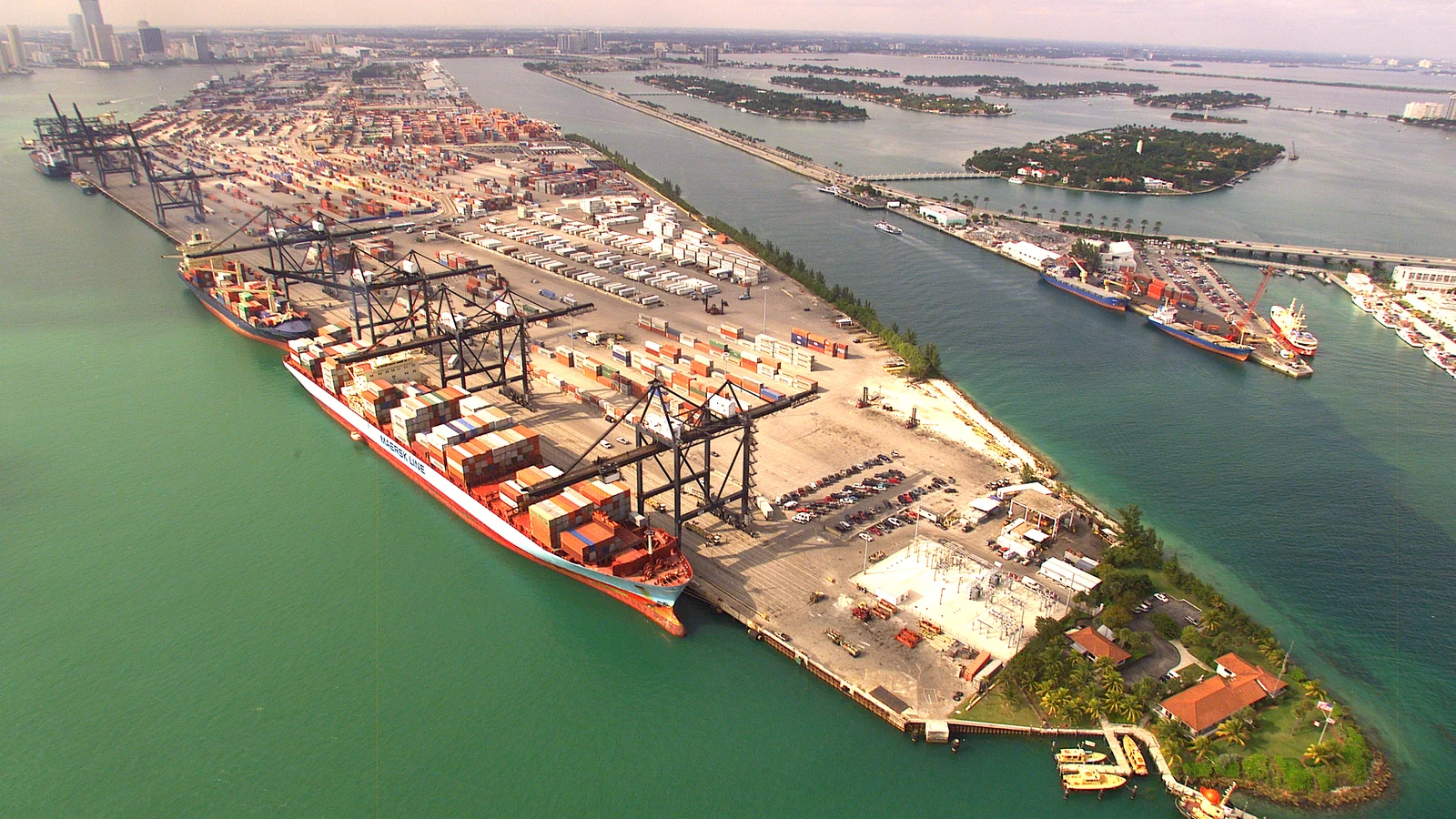
178 China Section 301 exclusions end at 11:59 p.m. ET on November 9 unless USTR extends them. What the notices say and what the truce date leaves out.
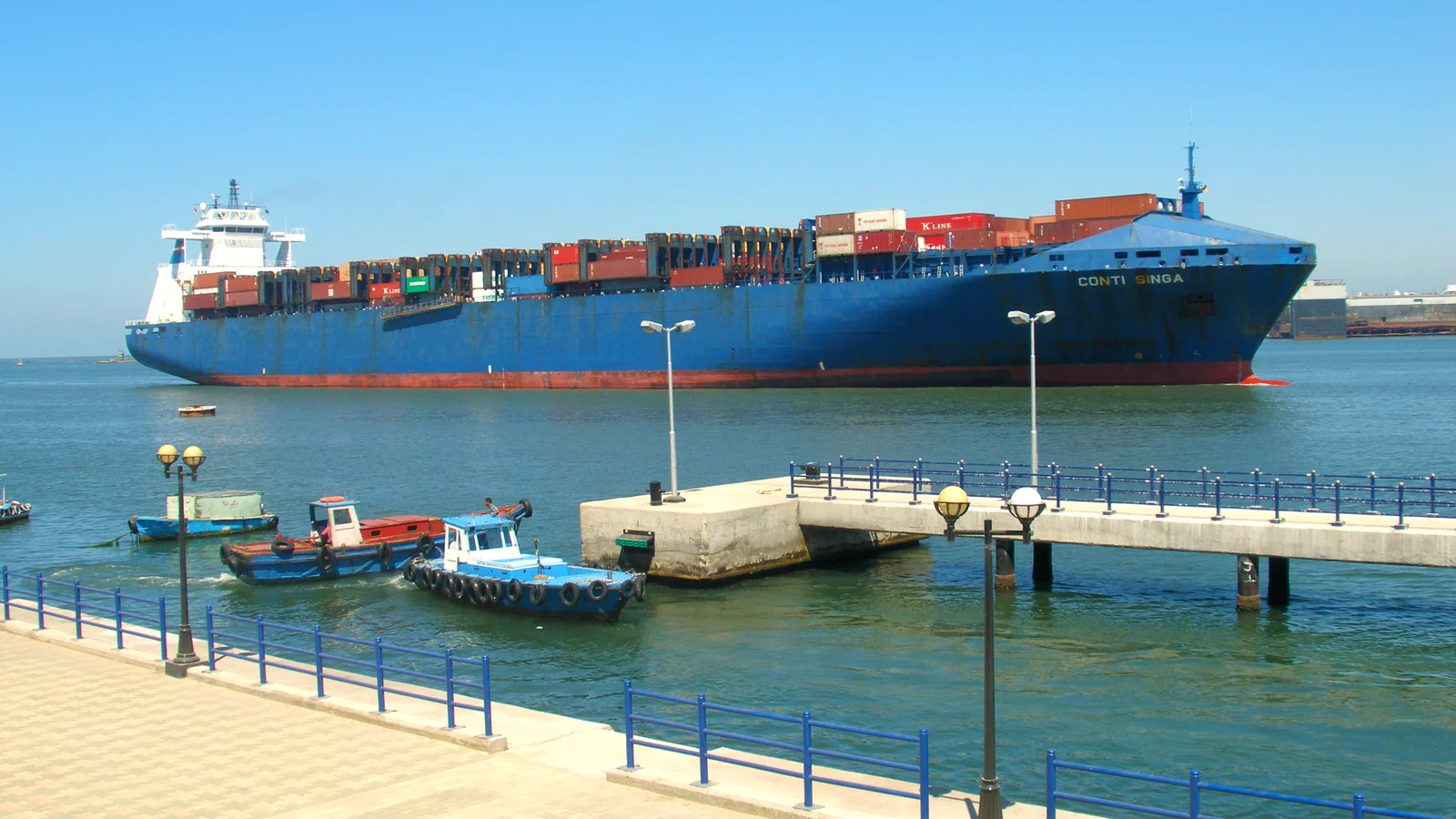
The Suez Canal return for container shipping puts ships into North Europe up to 14 days early. What that does to yards, pickups and cargo insurance cover.
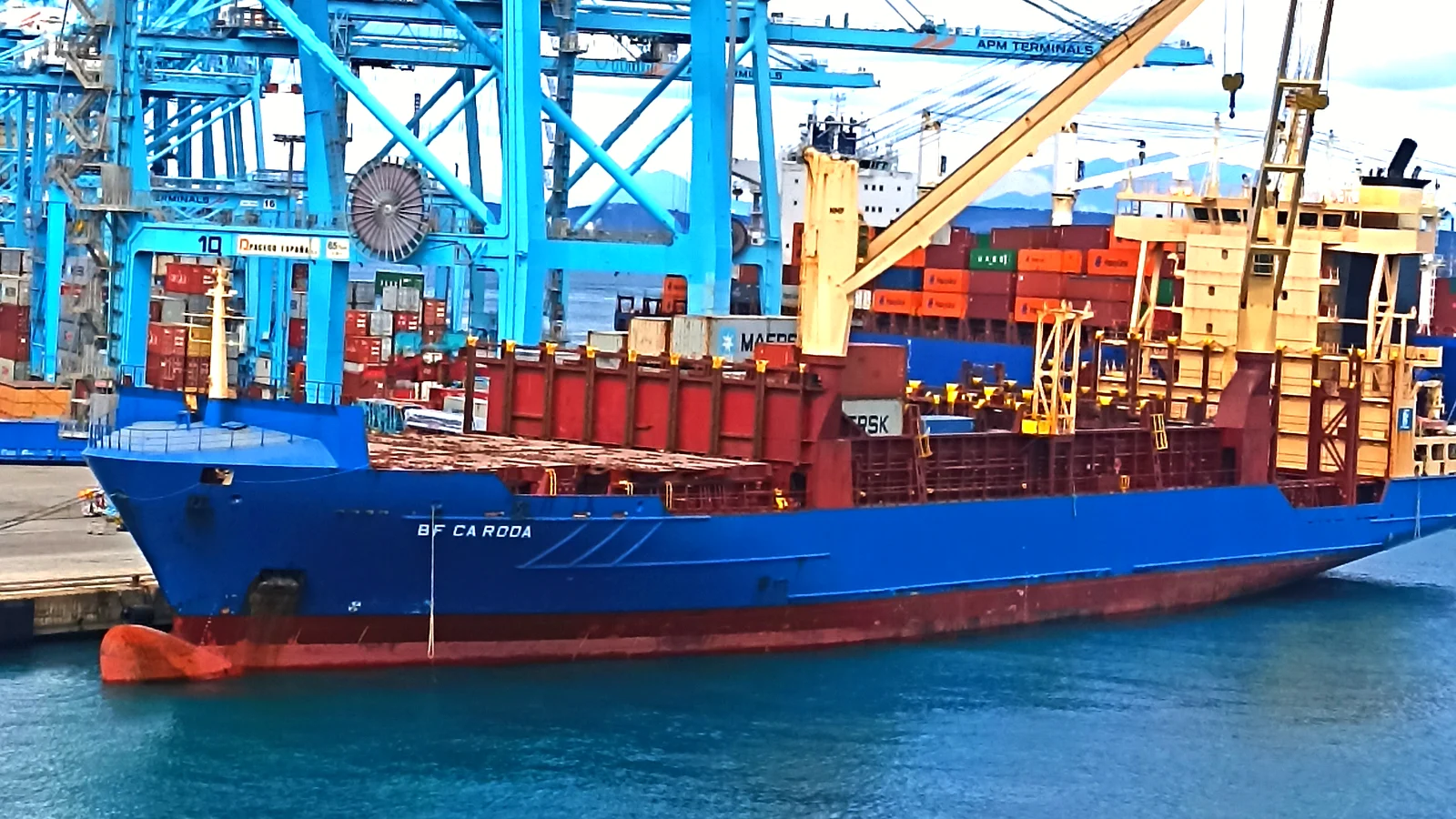
FMC Spain import restrictions would cover five HTS chapters on any vessel, while the $200,000 fee hits only Spanish-flagged ships. Comments close 14 December.
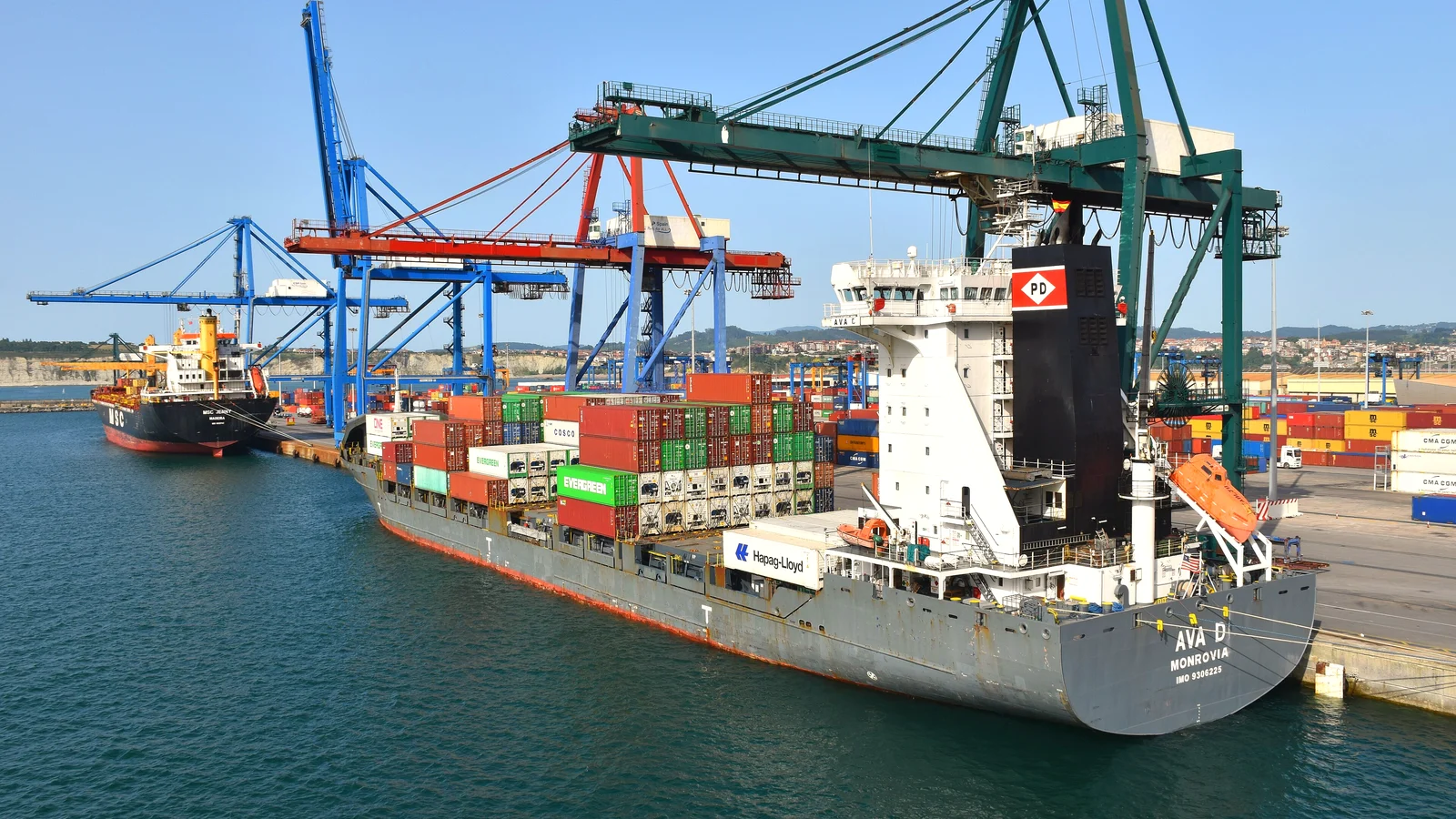
Selling internationally gives manufacturers more buyers, earlier trends and less dependence on one economy. How to research markets and pick partners to get started.
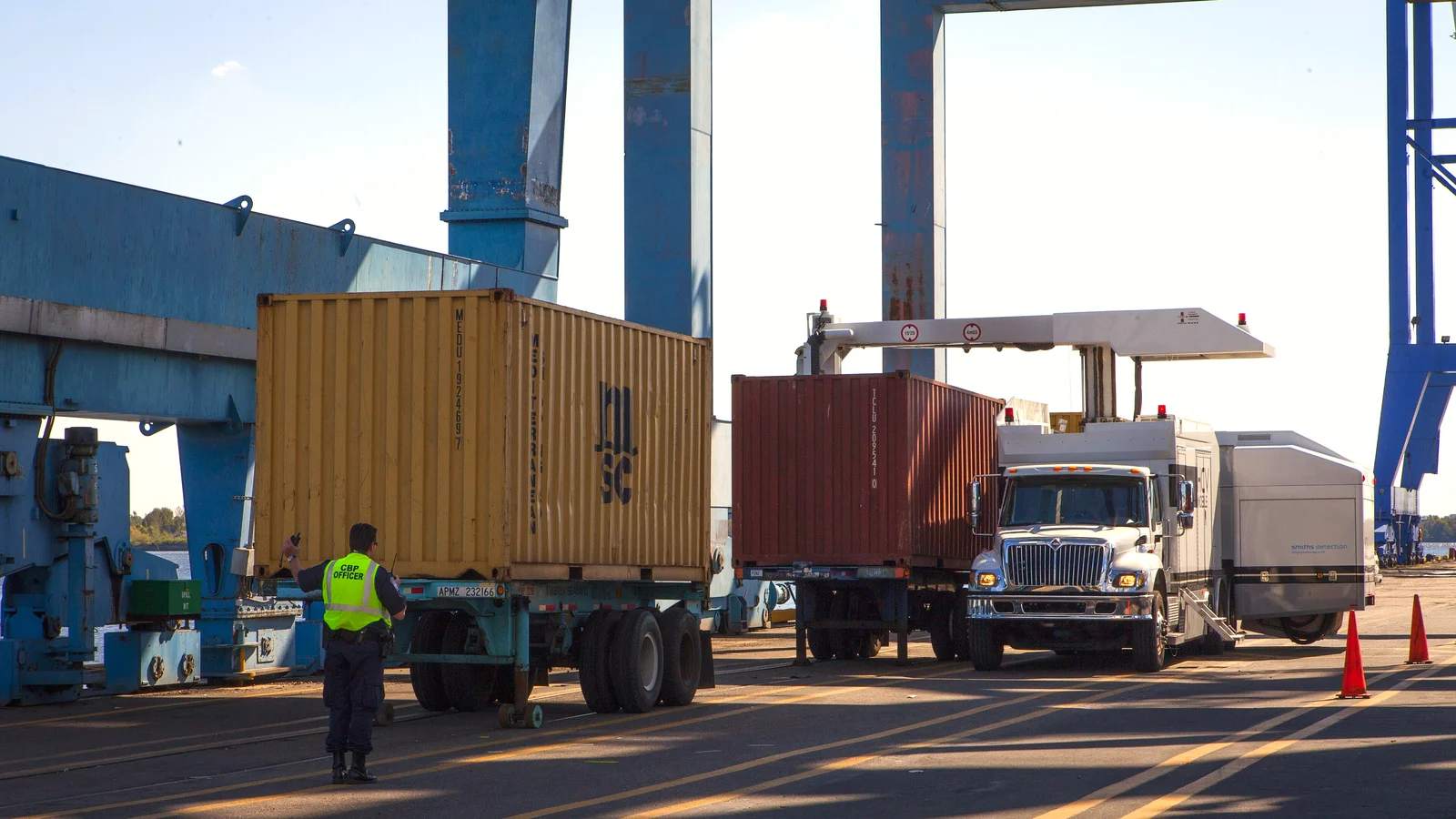
International shipping documents explained: what the bill of lading, packing list, invoices, certificates and Incoterms each prove to customs, and where files break.

Strait of Hormuz container shipping after the GFS Pride sinking: where sources agree, where counts split, and what a Gulf-bound shipper should confirm in writing.

How to reduce freight costs on heavy loads: compare carrier quotes, fill the container, mix transport modes and use routing tech to cut idle time and delays.

An ecommerce shipping strategy shapes customer experience: delivery speed, returns, fulfillment accuracy, tracking updates and kept promises decide repeat orders.

Air cargo status codes read differently from guide to guide. Where RCF, NFD and DLV diverge on an AWB, and what to confirm before you tell a customer.
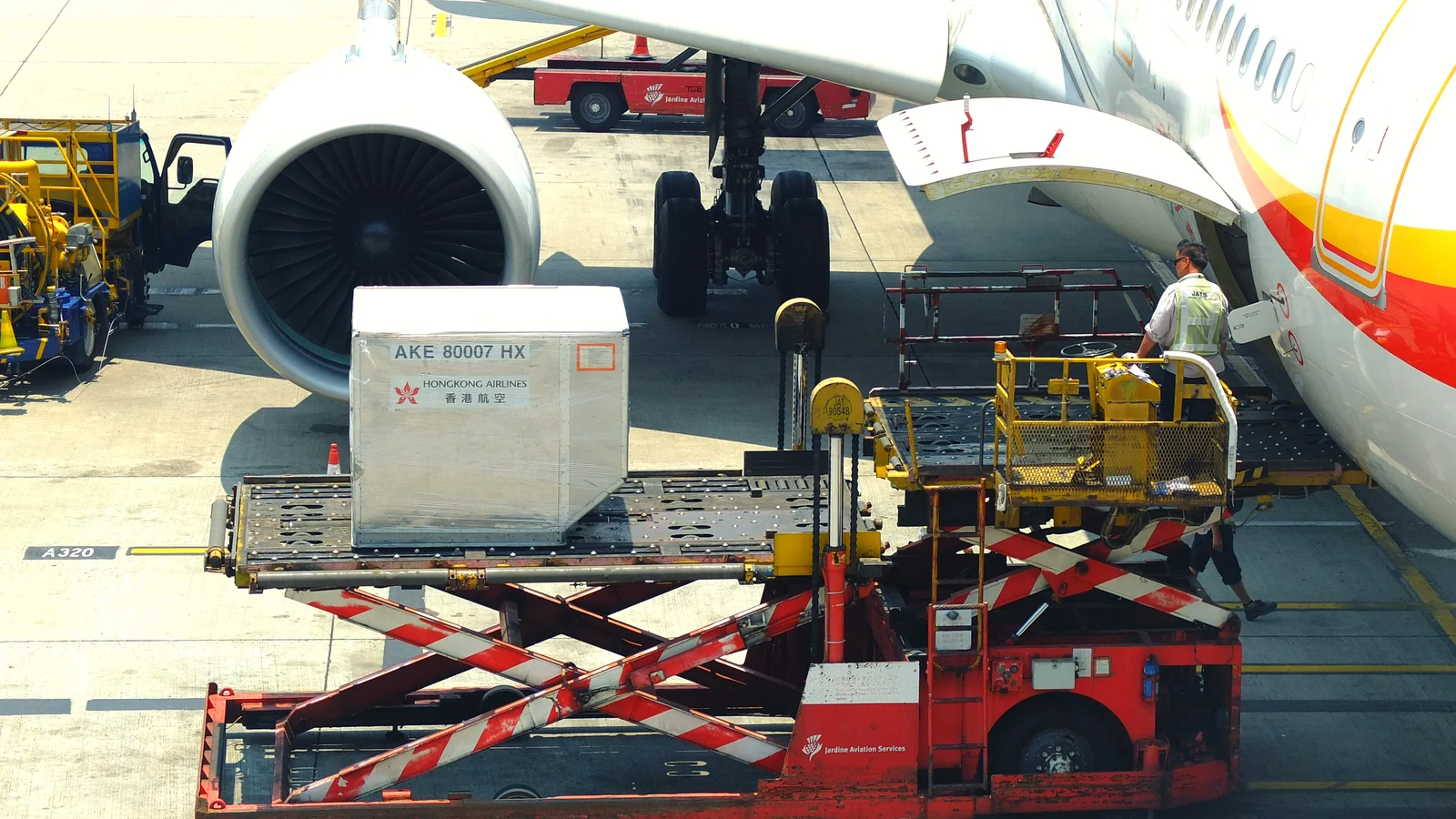
Air cargo types from the shipper's side: lithium batteries, dry ice and pharma, valuables, bulky freight and ULDs, and what each changes in booking and price.
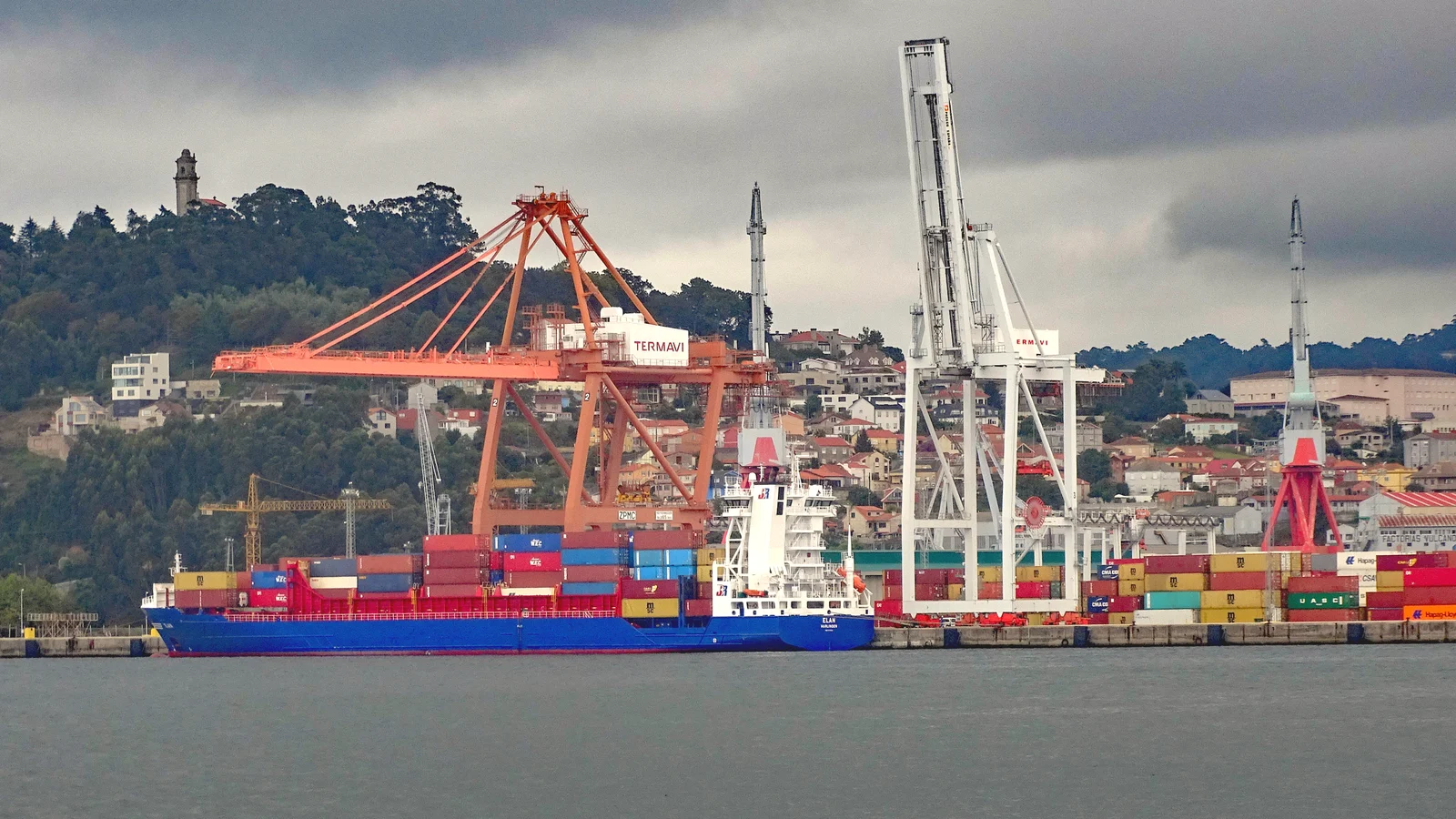
Asia Europe FAK rates start 19 October at $4,200 to $4,600 per 40ft to North Europe, while Drewry's Shanghai-Rotterdam index reads $3,522. What is inside each.
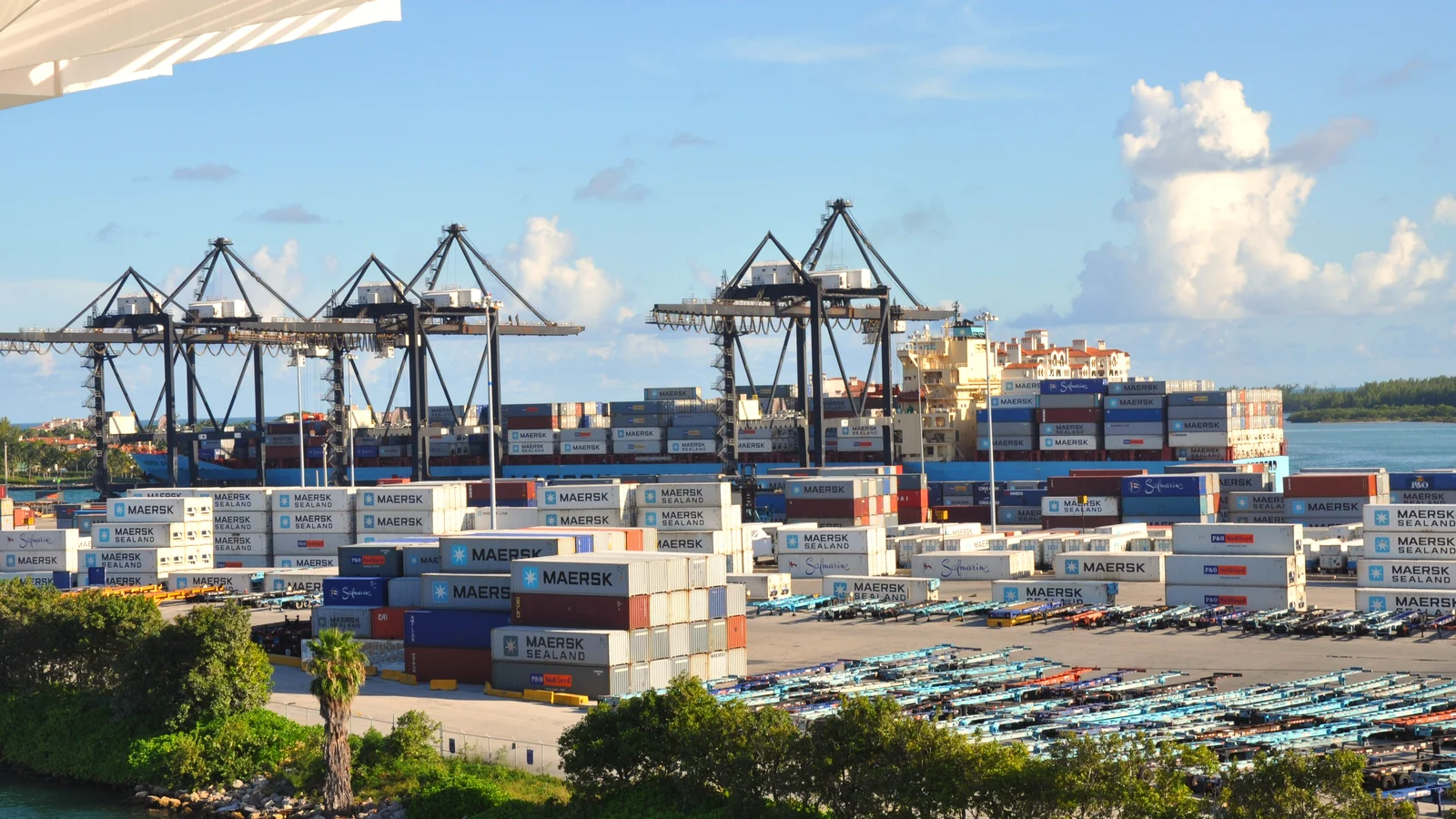
Peak season 2026 came early. What carrier notices, blank sailings and Xeneta, Drewry and Freightos data show, and what it means for Chinese New Year 2027.

The CBP informal entry rule would put the type 11 deadline at arrival and add a bond. In CBP's 2025 sample, 0.4% of entries were filed before arrival day.
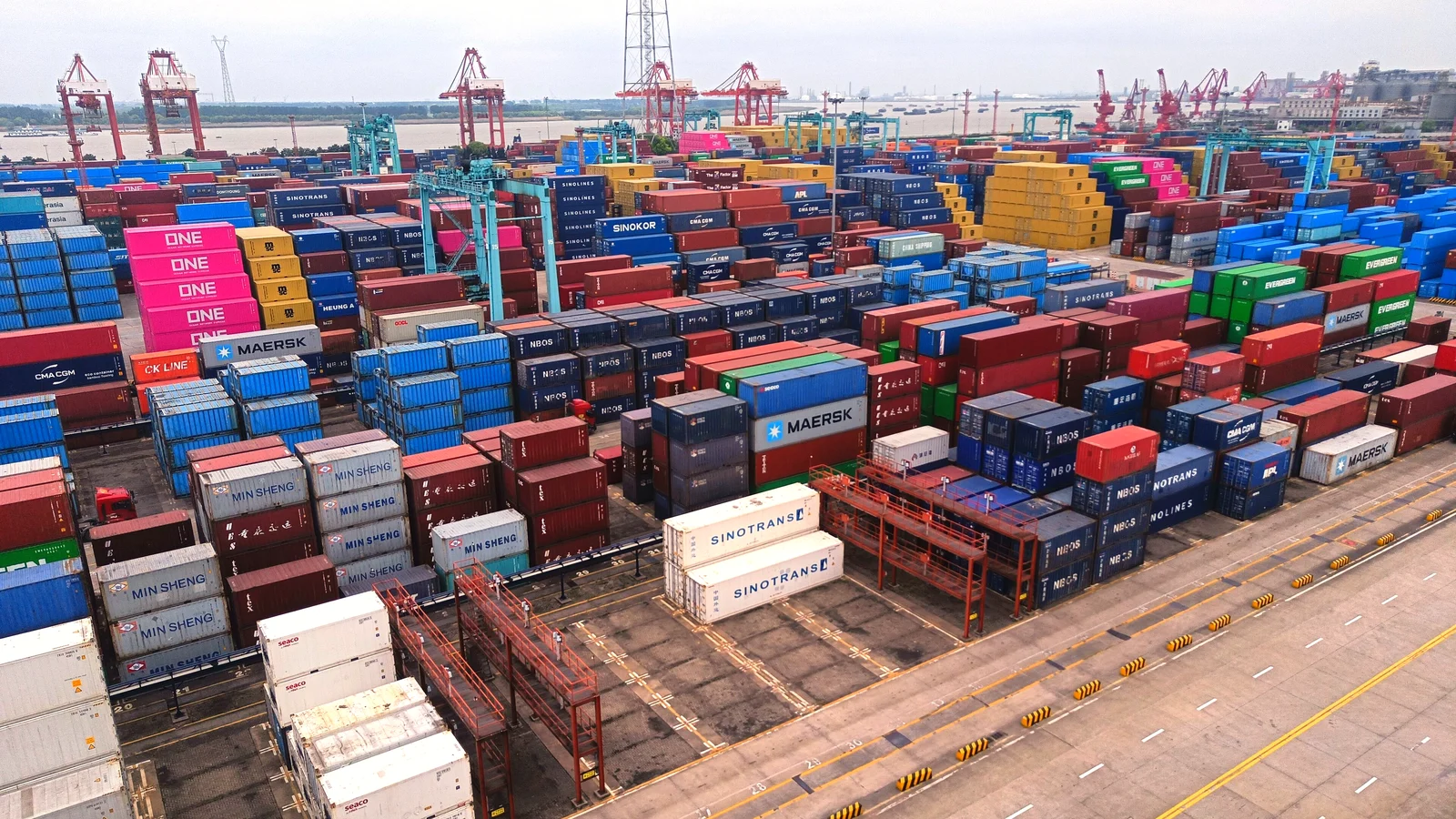
Freight rate index comparison for 15 October: Drewry WCI and Xeneta XSI-C moved in opposite directions on Asia-Europe. What each counts, and THC.

3PL warehousing fees line by line, when running your own warehouse is cheaper, and what breaks when stock moves to a new provider.
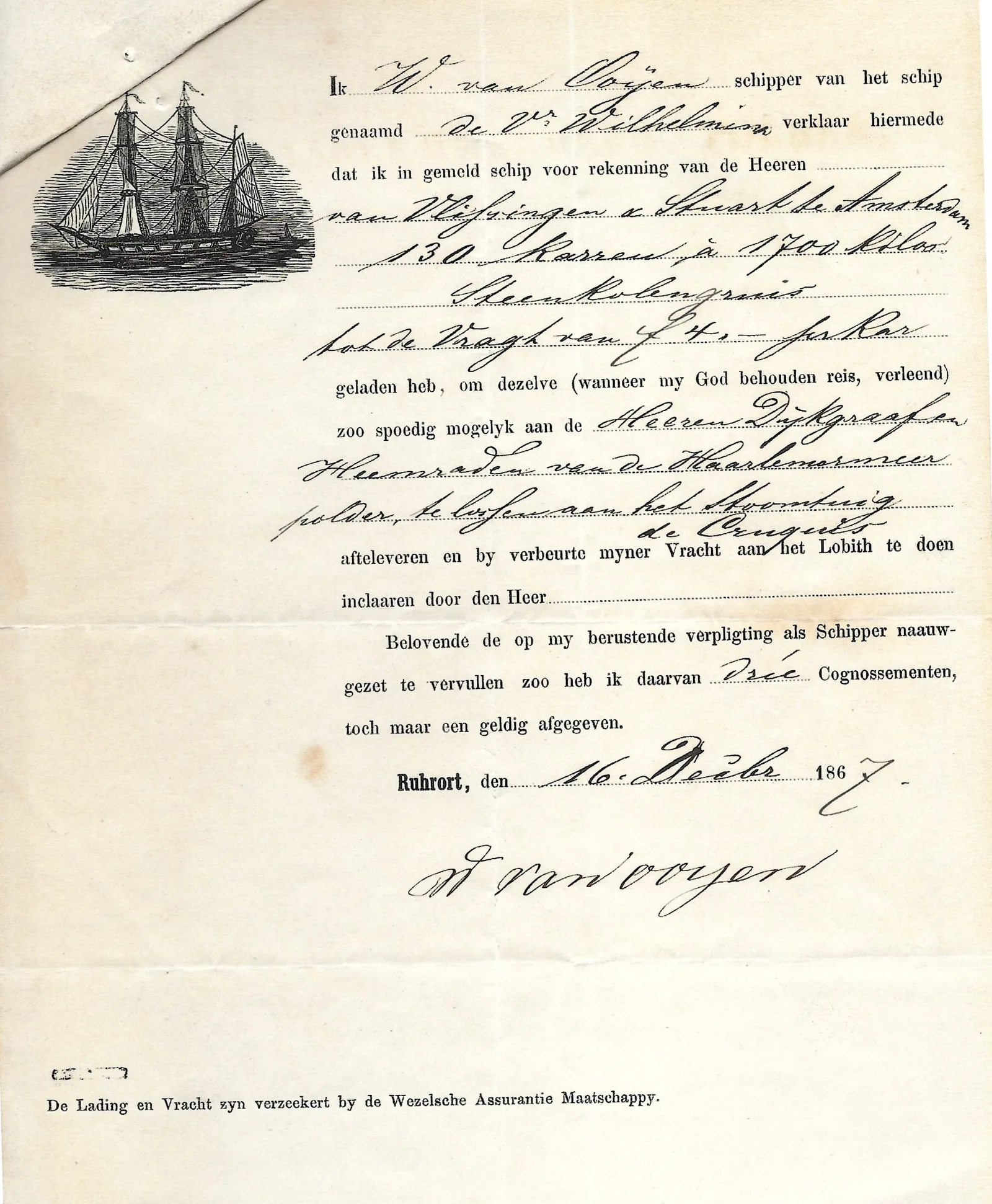
Types of bills of lading by situation: what a bank accepts under a letter of credit, selling cargo at sea, telex release, sea waybill, house and through B/L.

Cargo manifest rules in the US, EU and Canada: 24-hour deadlines, published penalties, do-not-load holds and carrier fees for filing and correcting.
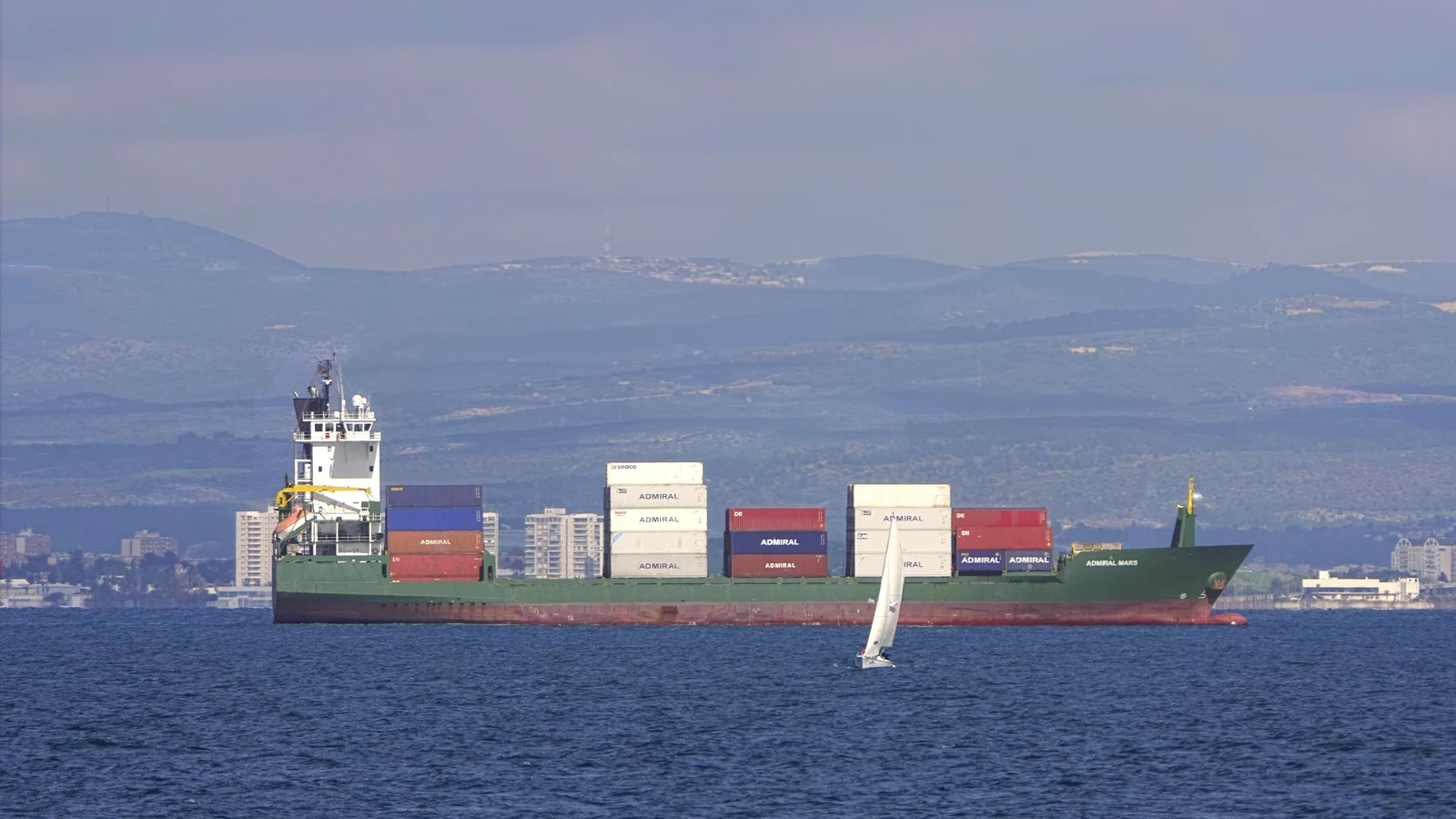
Container schedule reliability hit 27% in September 2026 and Far East to Europe fell to 4%. What shipping schedule reliability means for your next booking.

First-time international shipping for a small business: customs declarations, country of origin, comparing carriers, DAP or DDP, packing and building your SOPs.

Under UCP 600 a letter of credit pays against the bill of lading. How the clean test, the on board date and the bank's five banking days decide payment.

Shipping container dimensions for 20ft, 40ft and high cube, what a pallet load weighs against the road limit, and what one terminal charges for reefers.
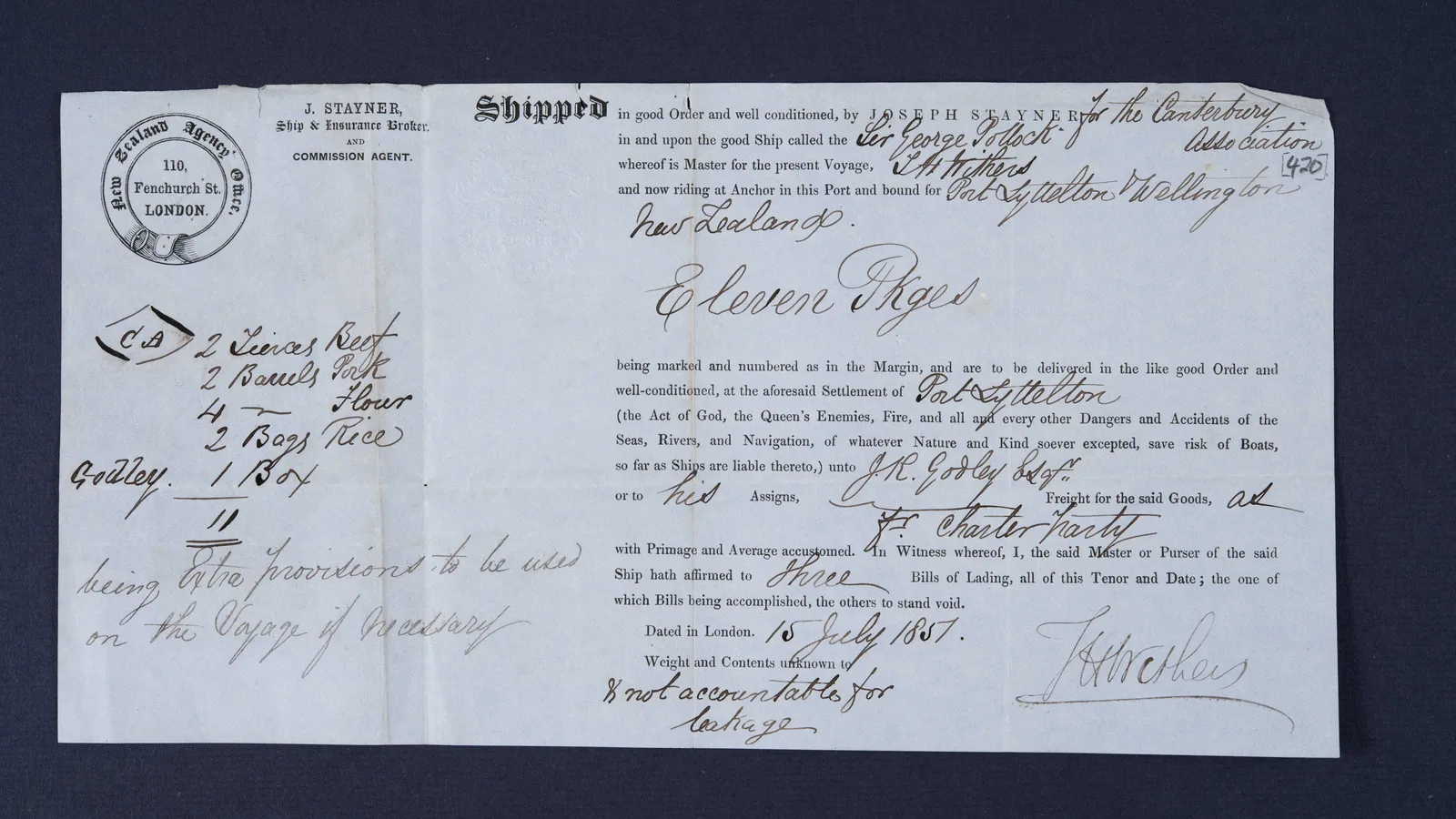
Commercial invoice vs packing list vs pro forma invoice: what each document does, when you need it, what customs checks, plus a consistency checklist.

How container insulation protects cargo from heat swings and condensation, where the savings show up, and a checklist for choosing liners or insulated units.

Customs release vs carrier release: customs admits the goods, the line lets the box go, the terminal hands it over. Who decides each, and who bills the wait.
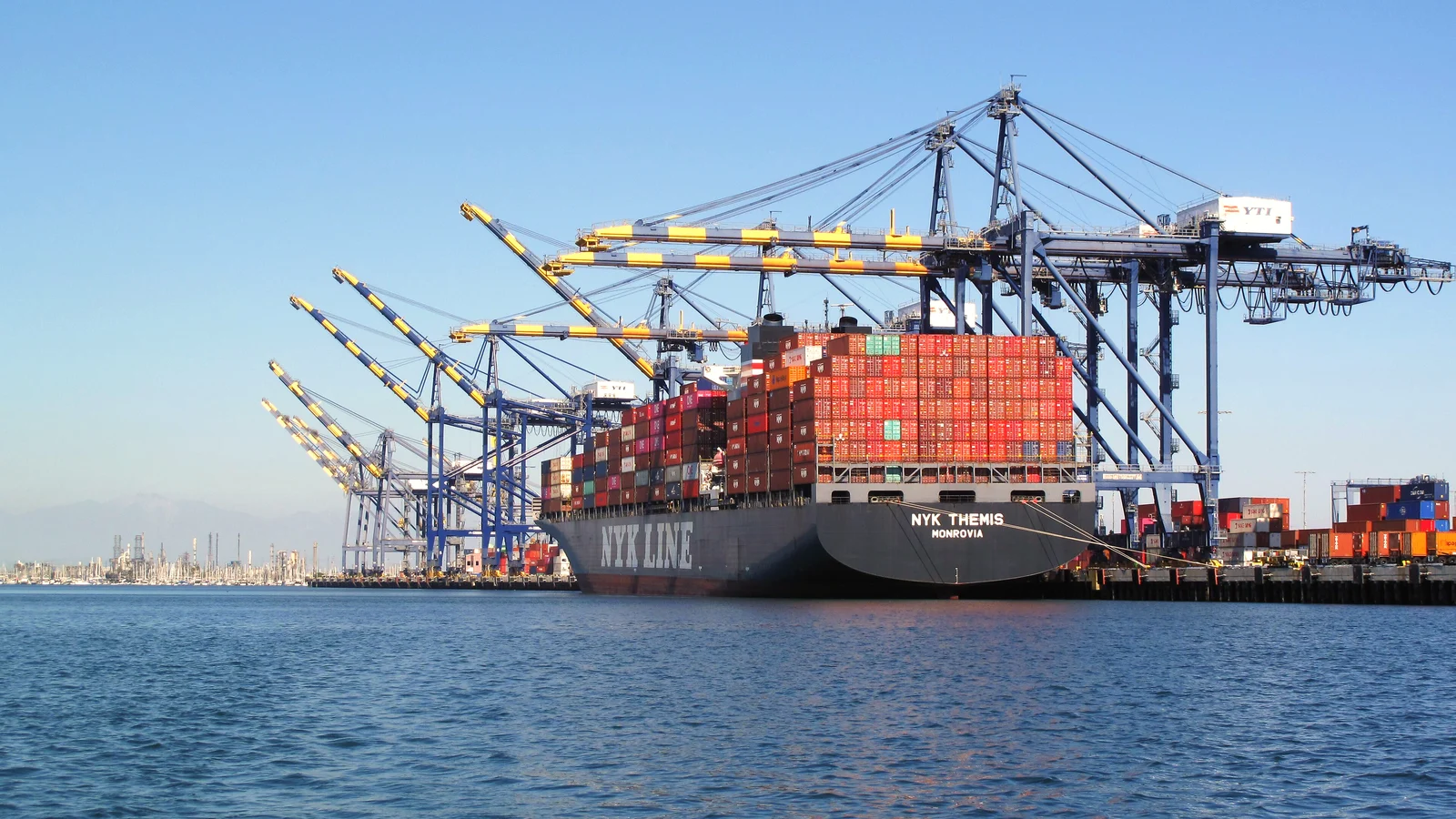
Demurrage vs detention explained: where each clock runs, what a US invoice must show under 46 CFR 541, and which part of the FMC billing rule was removed.
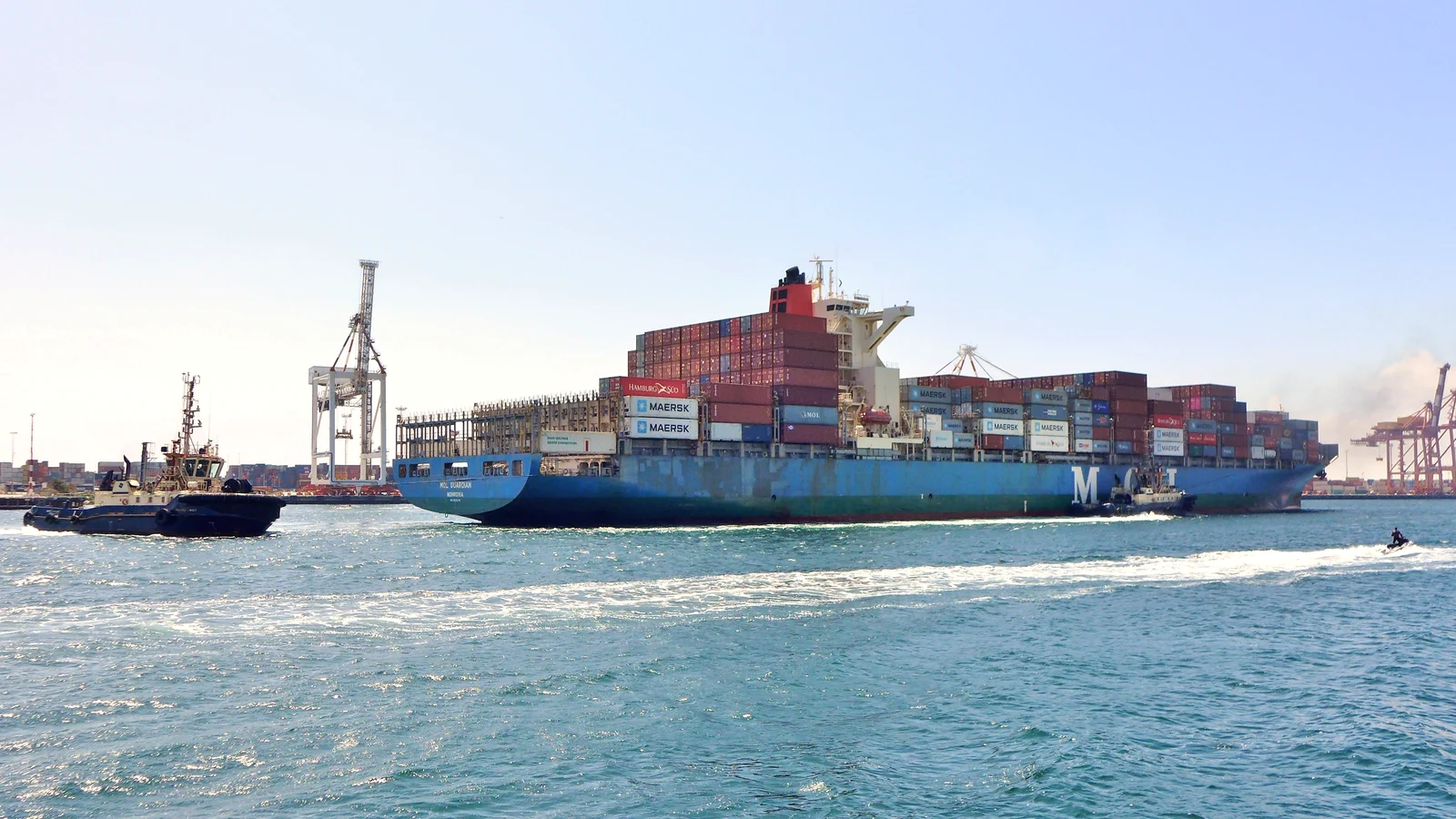
ETA in shipping explained: what estimated time of arrival means, why vessel and container ETAs slip, how live data sharpens them, and how to check accuracy.

Export packaging decides whether goods arrive intact. How container type, ISPM 15 wood rules, ISTA testing and box sizing cut cargo damage, with a checklist.

A freight MCP server from Flexport, FreightPOP, Freight Right and Cargoplot in four weeks. What each AI agent can read, book or confirm, and the fine print.
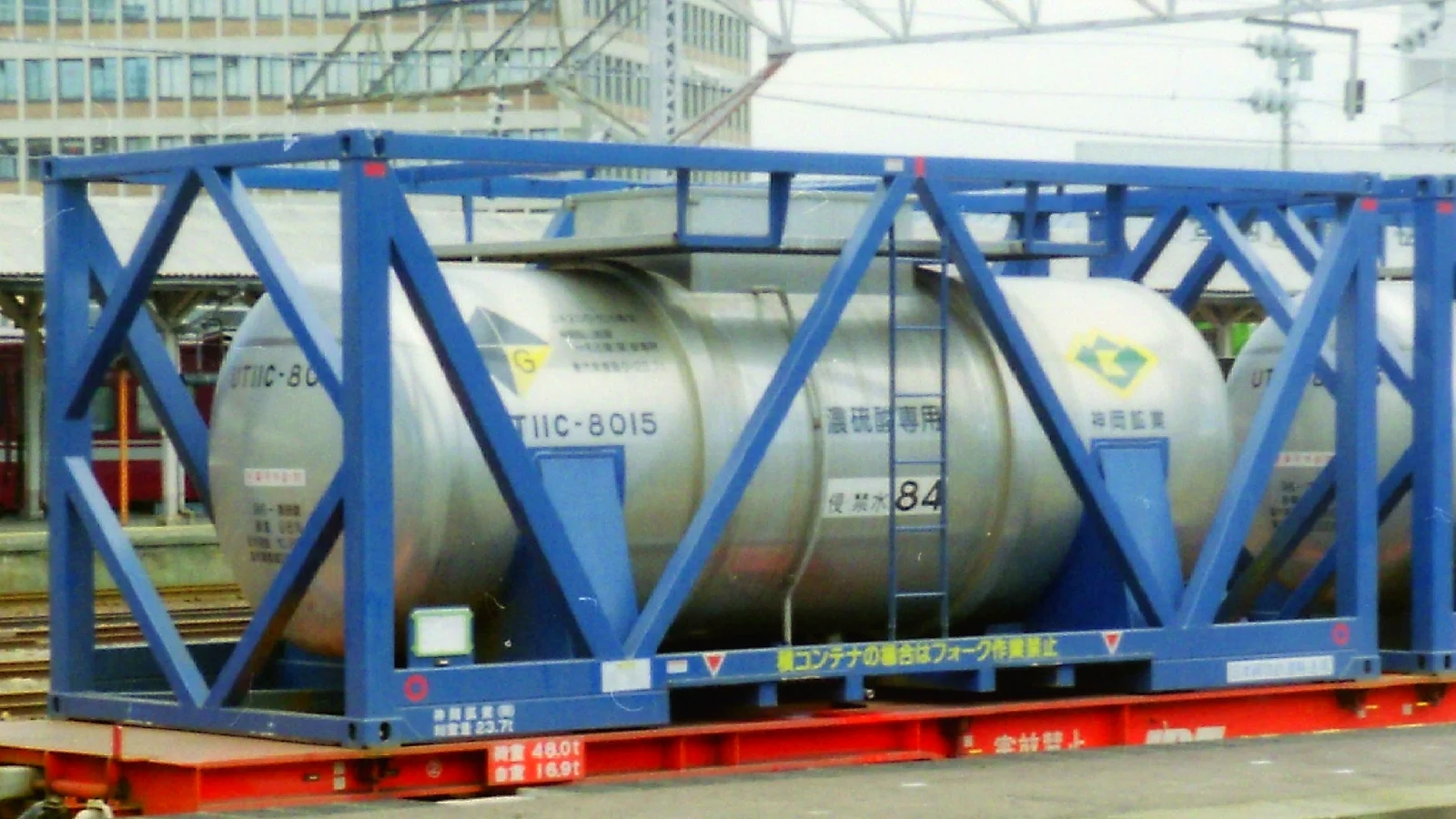
Dangerous goods need more than careful packing. The IMDG, 49 CFR and IATA rules, the six key documents and the training every handler in the chain needs.

Container gross weight explained: net, tare and gross, SOLAS VGM rules, container limits and air freight chargeable weight, plus a checklist before you quote.
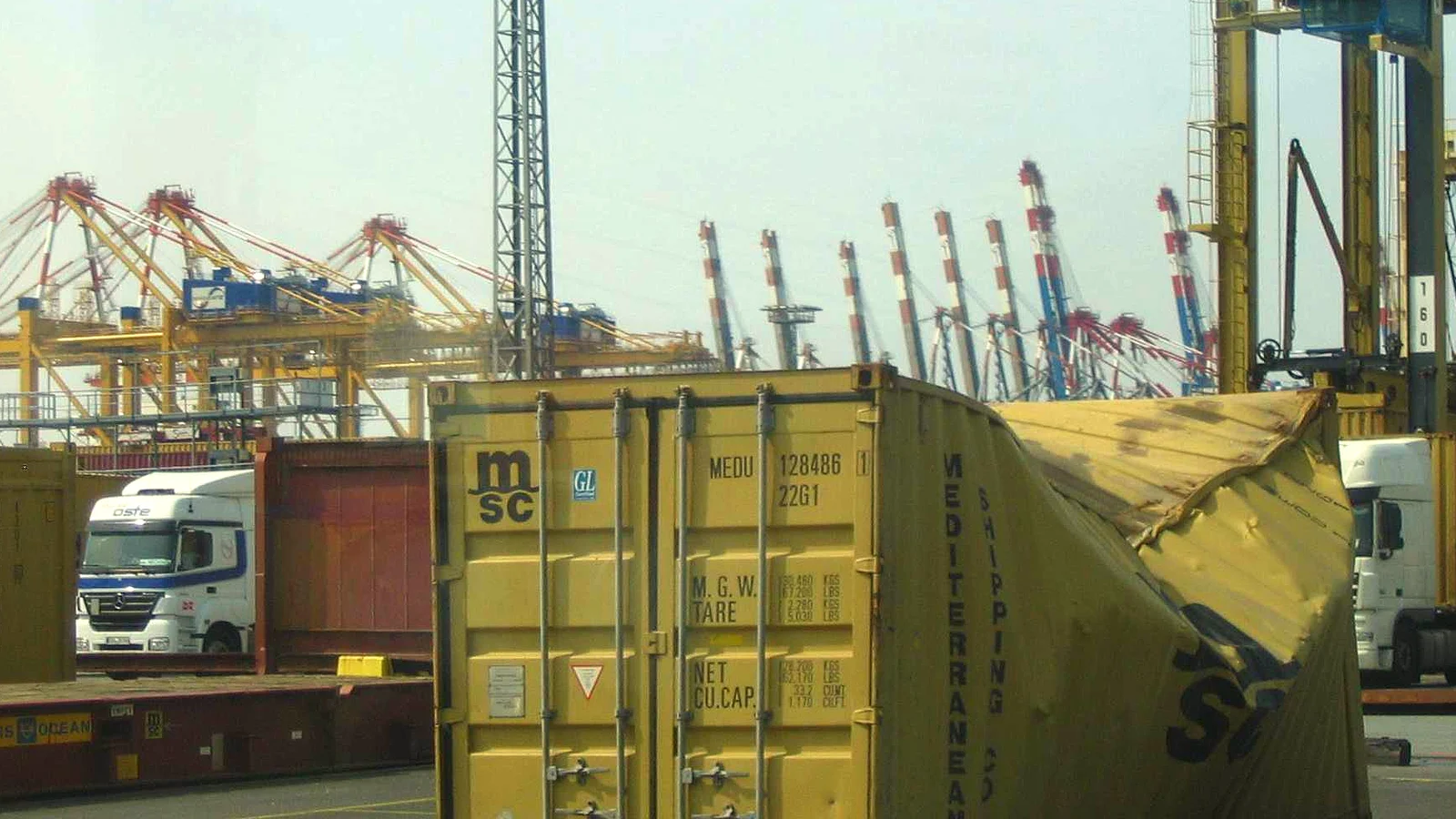
A cargo claim or freight damage claim is won on photo evidence taken at each handoff. What to shoot at gate-in, how to tag it, and the notice deadlines.
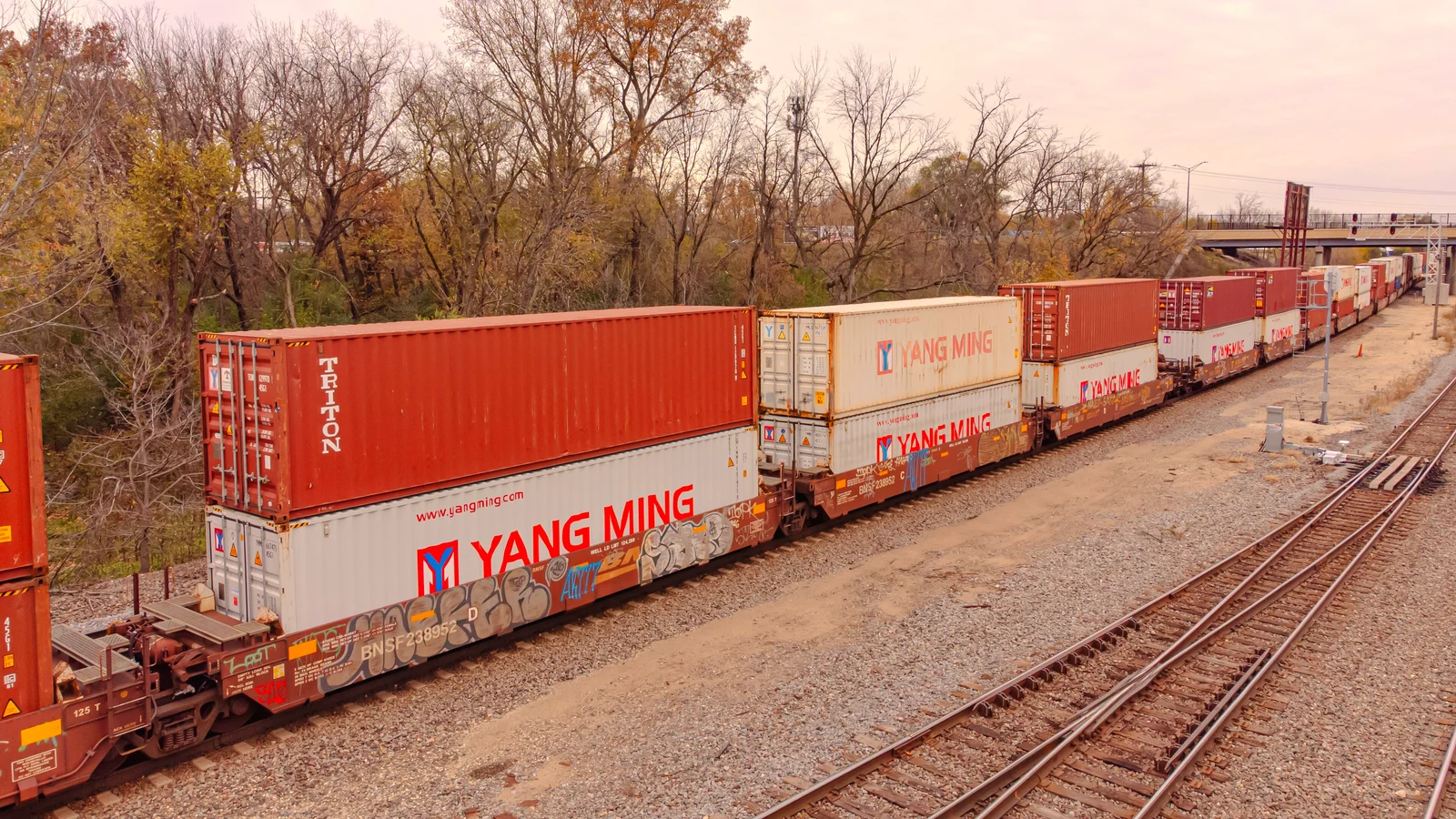
Intermodal and multimodal freight both use several modes. The difference is the contract: one operator, one bill of lading and one through rate, or many.

A landed cost calculation adds freight, duties, insurance, handling and hidden fees to the supplier price. Formula, worked example and a step-by-step checklist.

FX risk in freight and importing hides in supplier payment gaps, carrier bills and duties. Where it sits and how forwards and multi-currency accounts help.
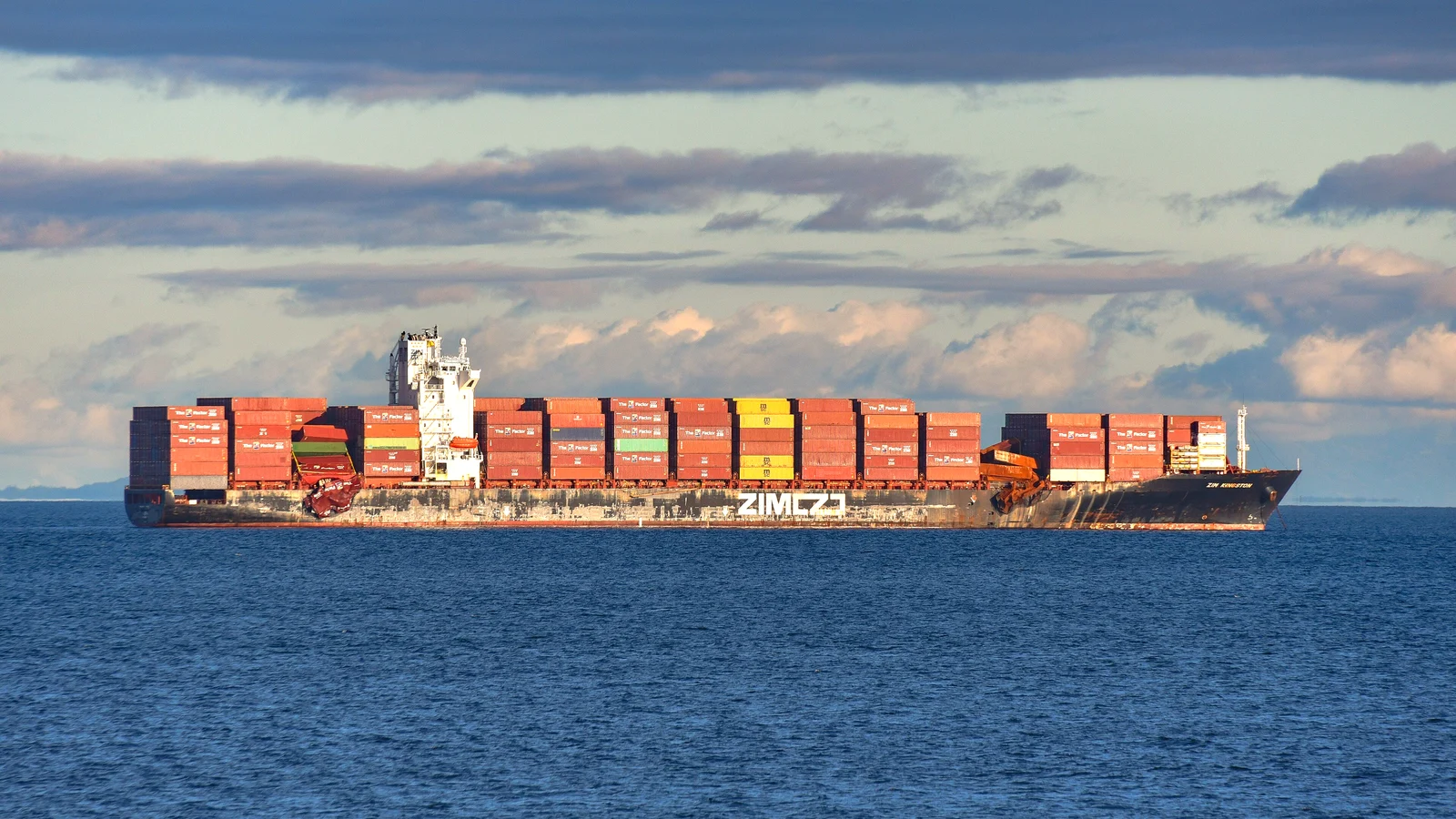
How marine insurance splits risk between hull and machinery, cargo policies and P&I clubs, plus general average and the 110% rule in CIF and CIP sales.
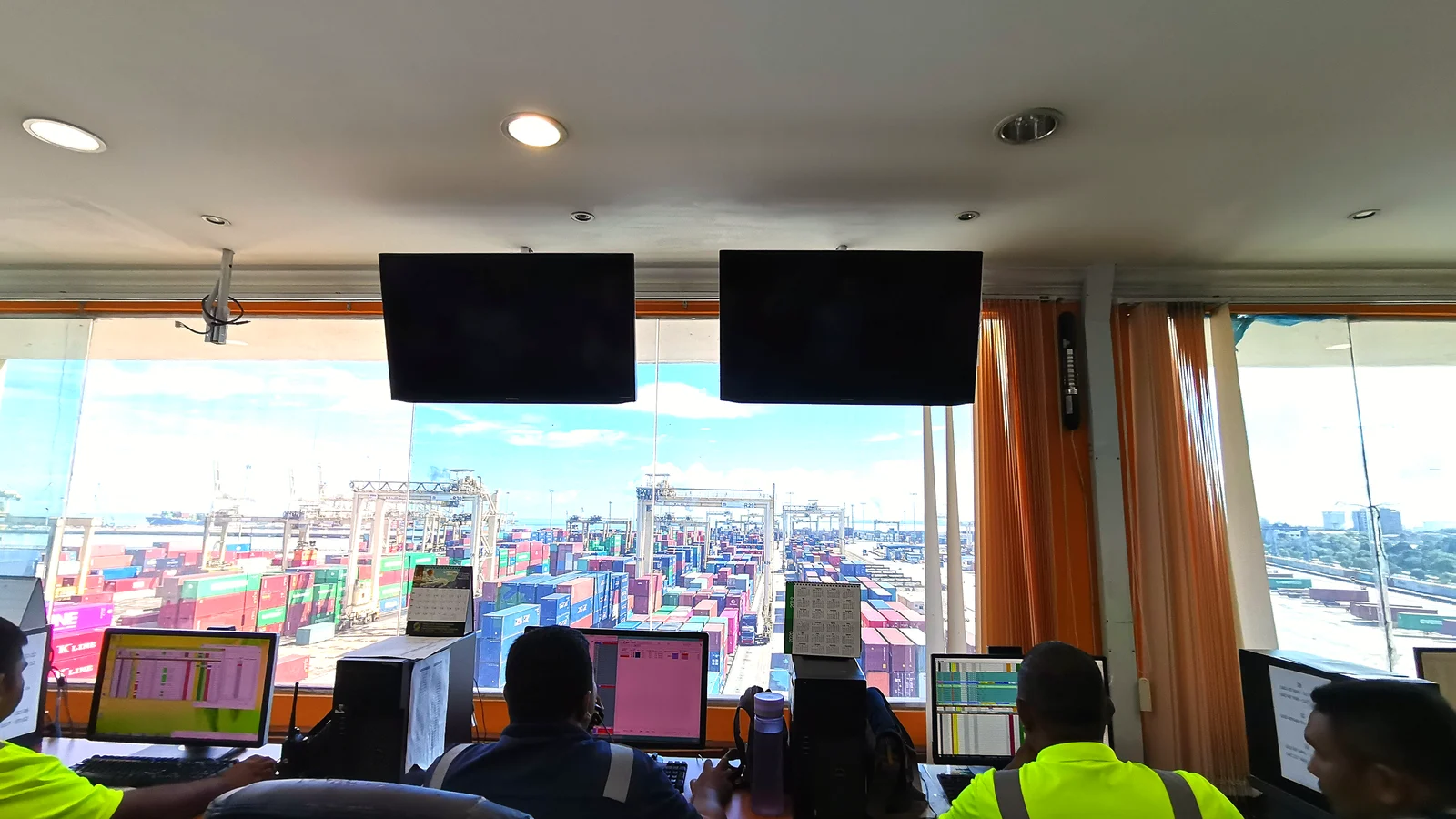
Shipping agents, brokers, freight forwarders, customs brokers and NVOCCs all touch your cargo. Who does what, which papers they sign and how they get paid.

A practical guide to shipping heavy equipment: how LoLo, flat rack, RoRo and container moves compare, what drives the cost, and what to tell the carrier first.
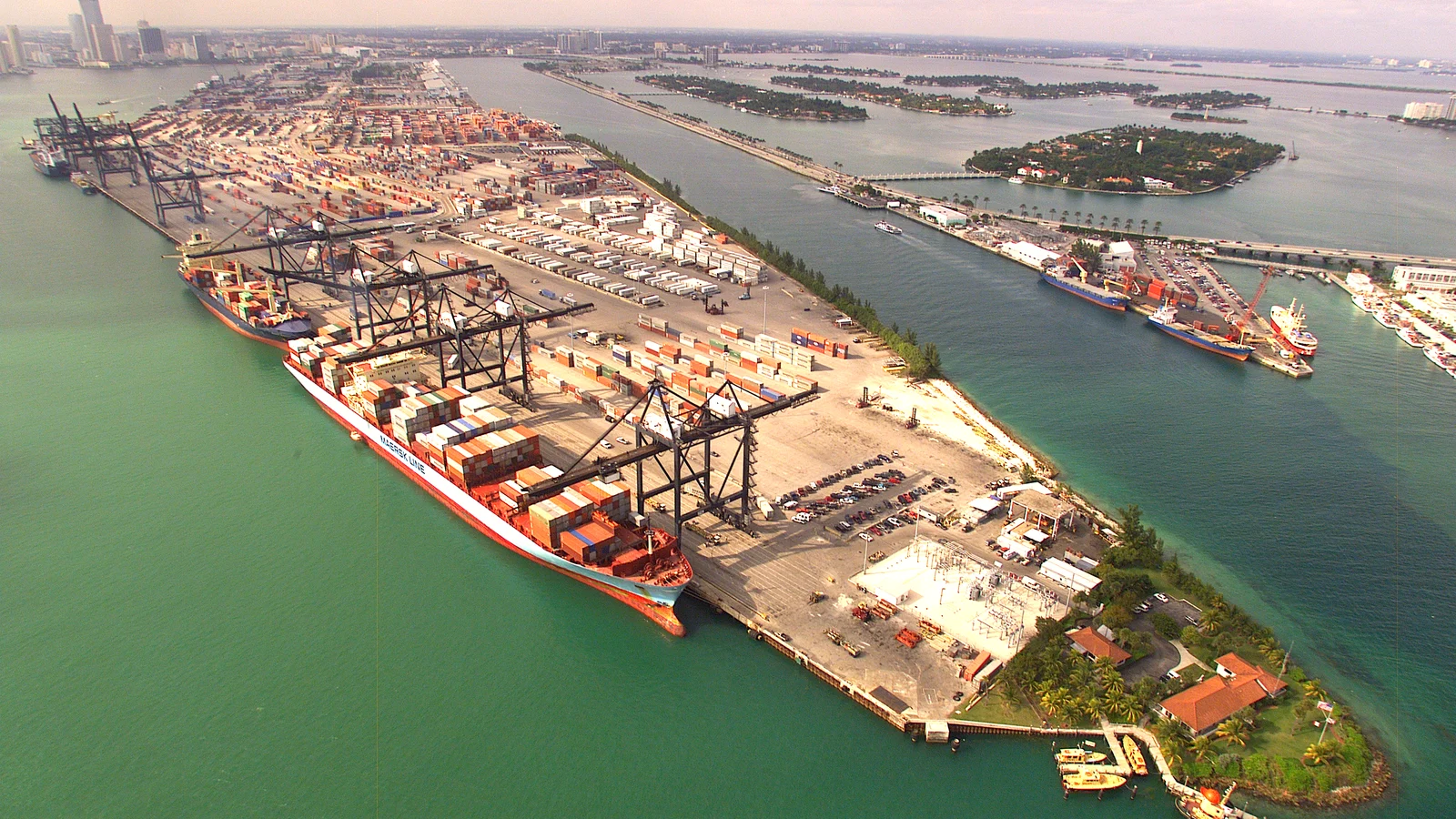
US-China port fees: Washington says the truce runs to January, but the written Section 301 fee pause still ends 9 November. What shippers should check.

DCSA event types explained: why terminal, carrier and tracker show different arrival times for one container, and which question each timestamp answers.
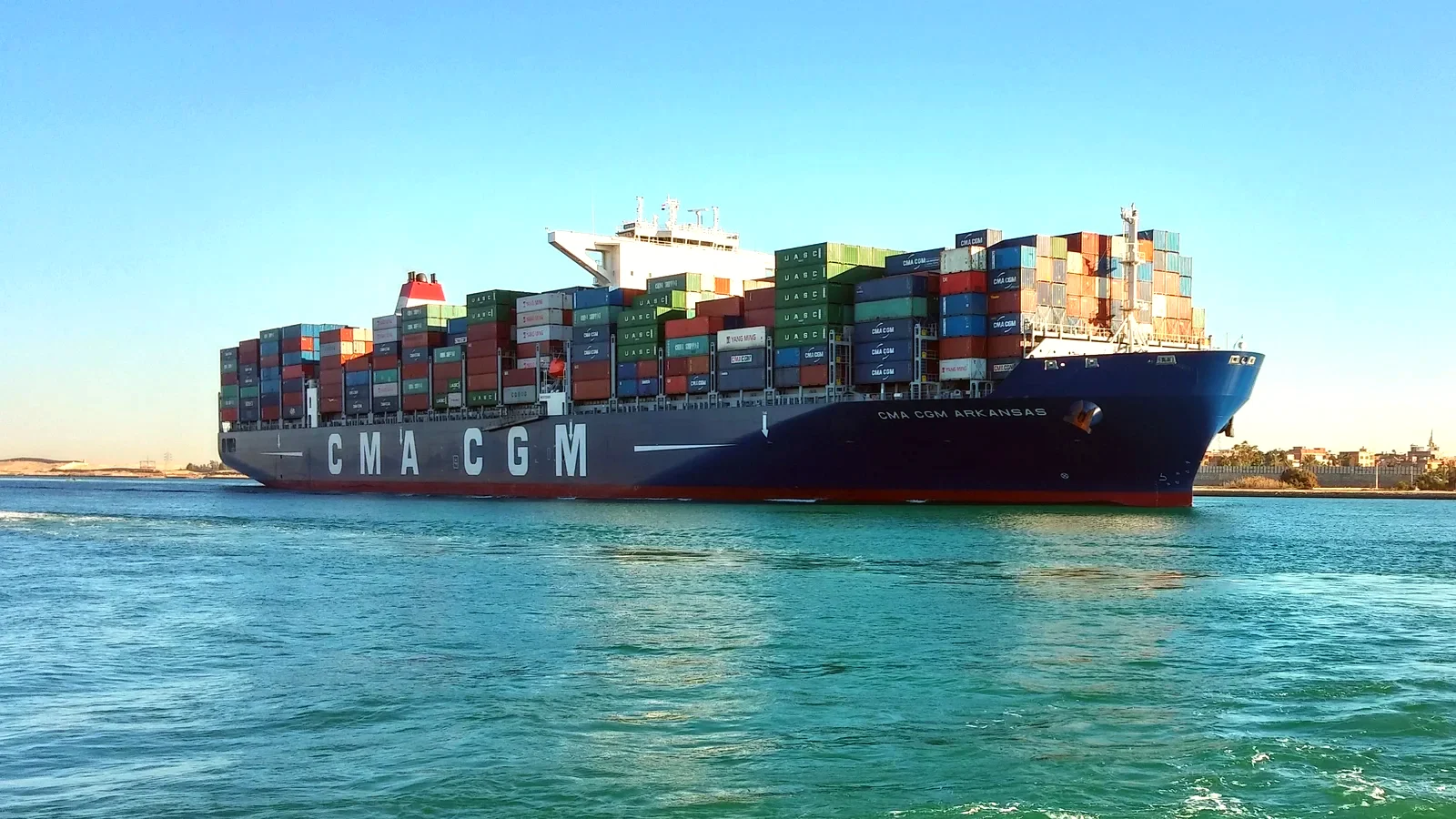
The Suez Canal return is happening one service at a time, with Asia-Europe reliability near 62%. What to verify in rotations before 2027 contracts are signed.

A REST tracking API makes your code do the work. An MCP server lets an AI agent do it in one tool-call. Here is the real difference for anyone wiring ocean-freight visibility into an assistant.

A loader's field checklist for packing to the CTU Code: VGM, weight distribution, centre of gravity, segregation and securing, with the two diagrams that stop a legally-stuffed box becoming an illegal truck.
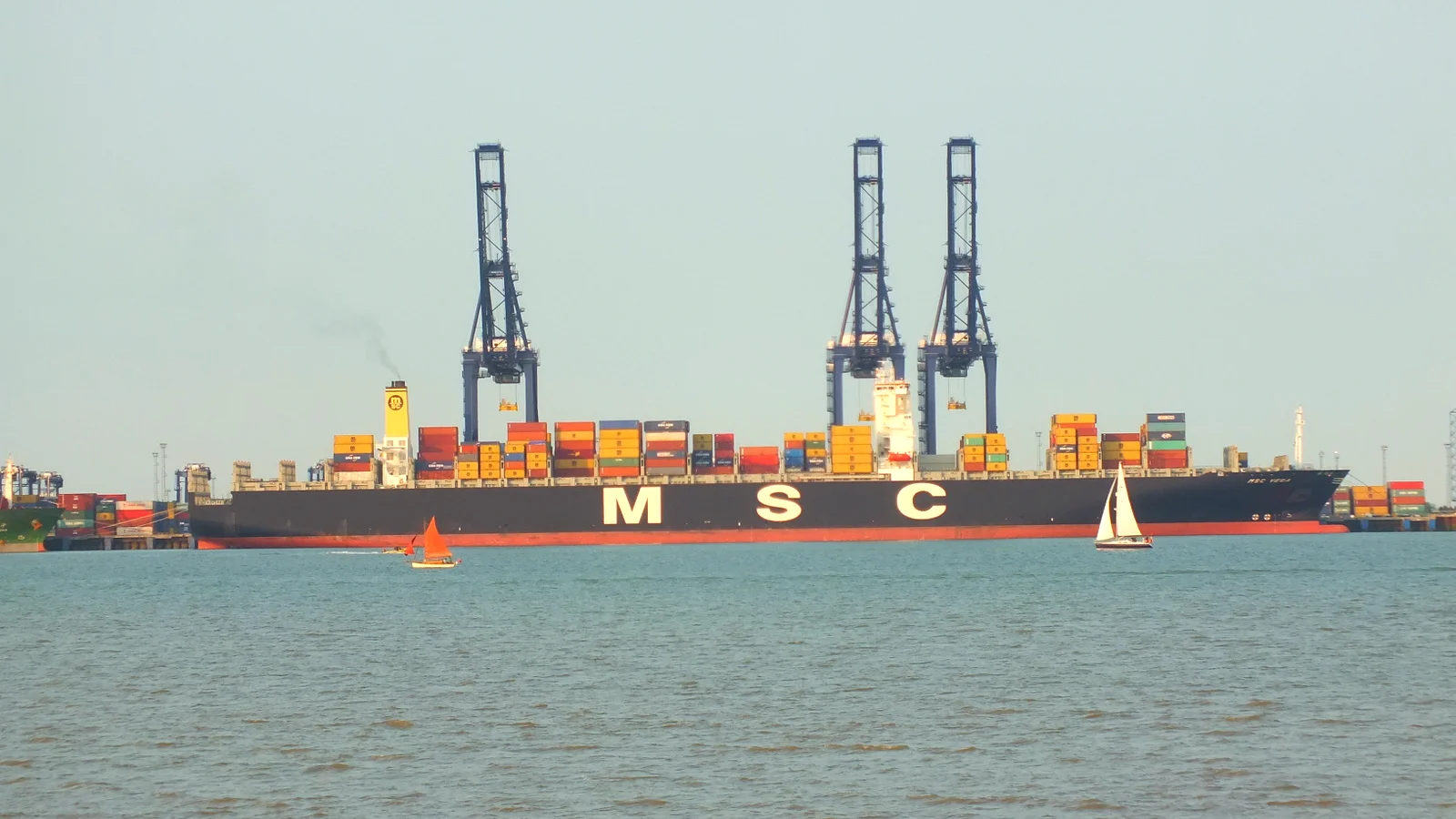
MSC demurrage and detention free time are two separate clocks. How each one runs, why it differs by port, and how to check the free-until date for your box.
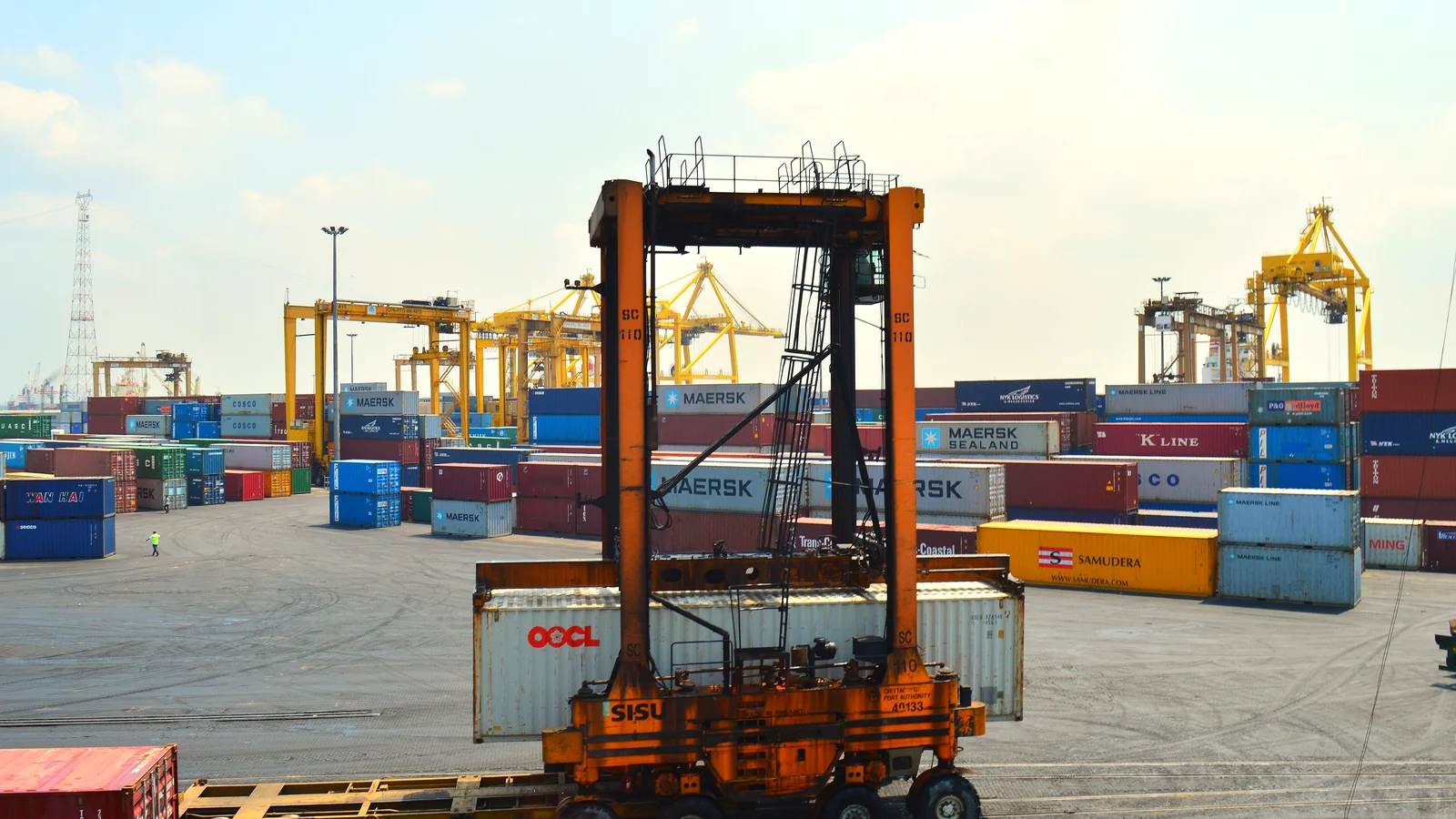
You have a Bill of Lading number and no idea where the box is. Here is what a B/L, a booking and a container number each are, which one to track with, and the milestone flow you should expect from booking to delivery.
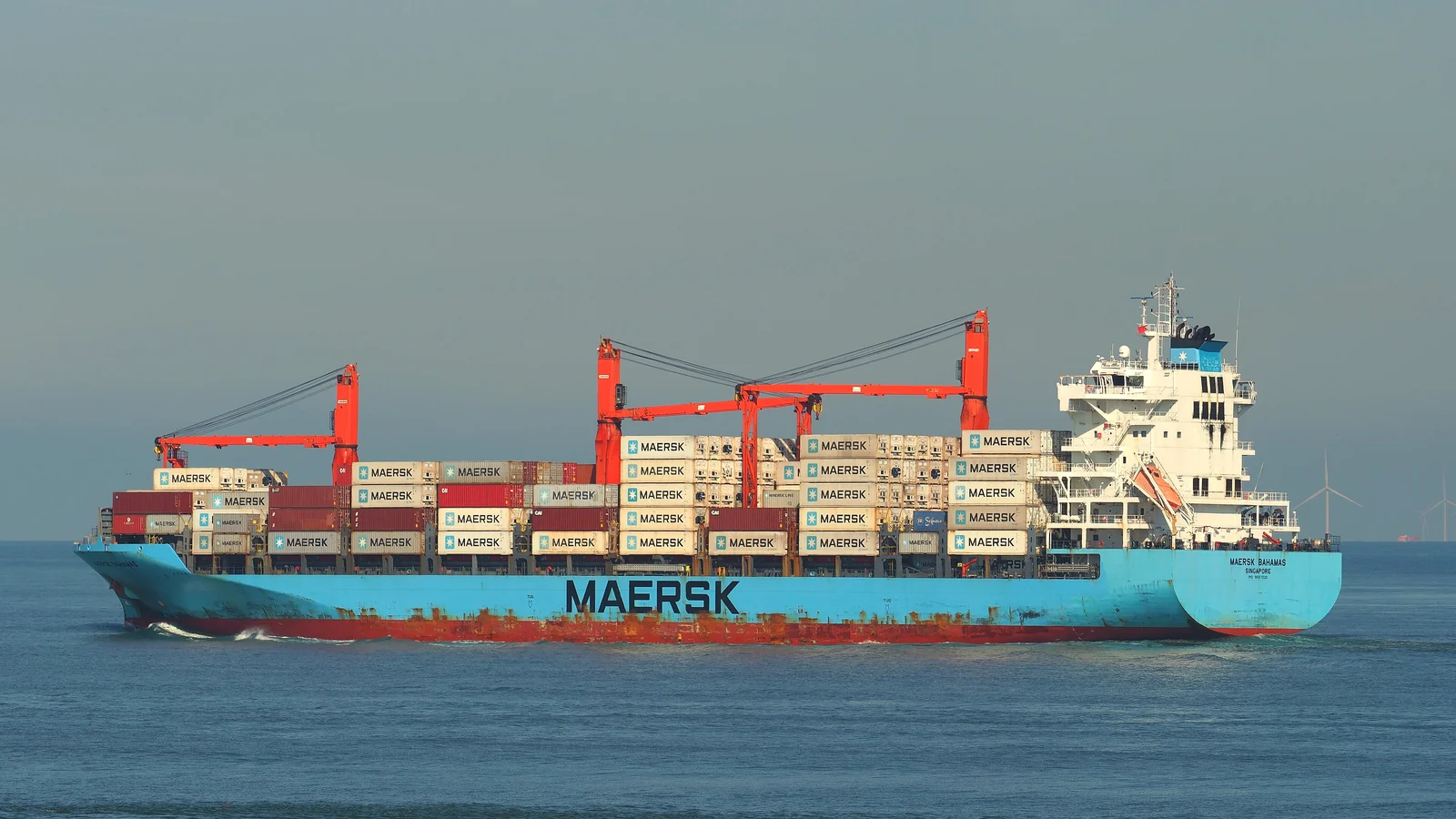
Every carrier says they are reliable. The only honest answer comes from comparing scheduled arrivals to the ones that actually happened, per lane. Here is how to read on-time reliability: why the p50/p90 spread matters more than the average.
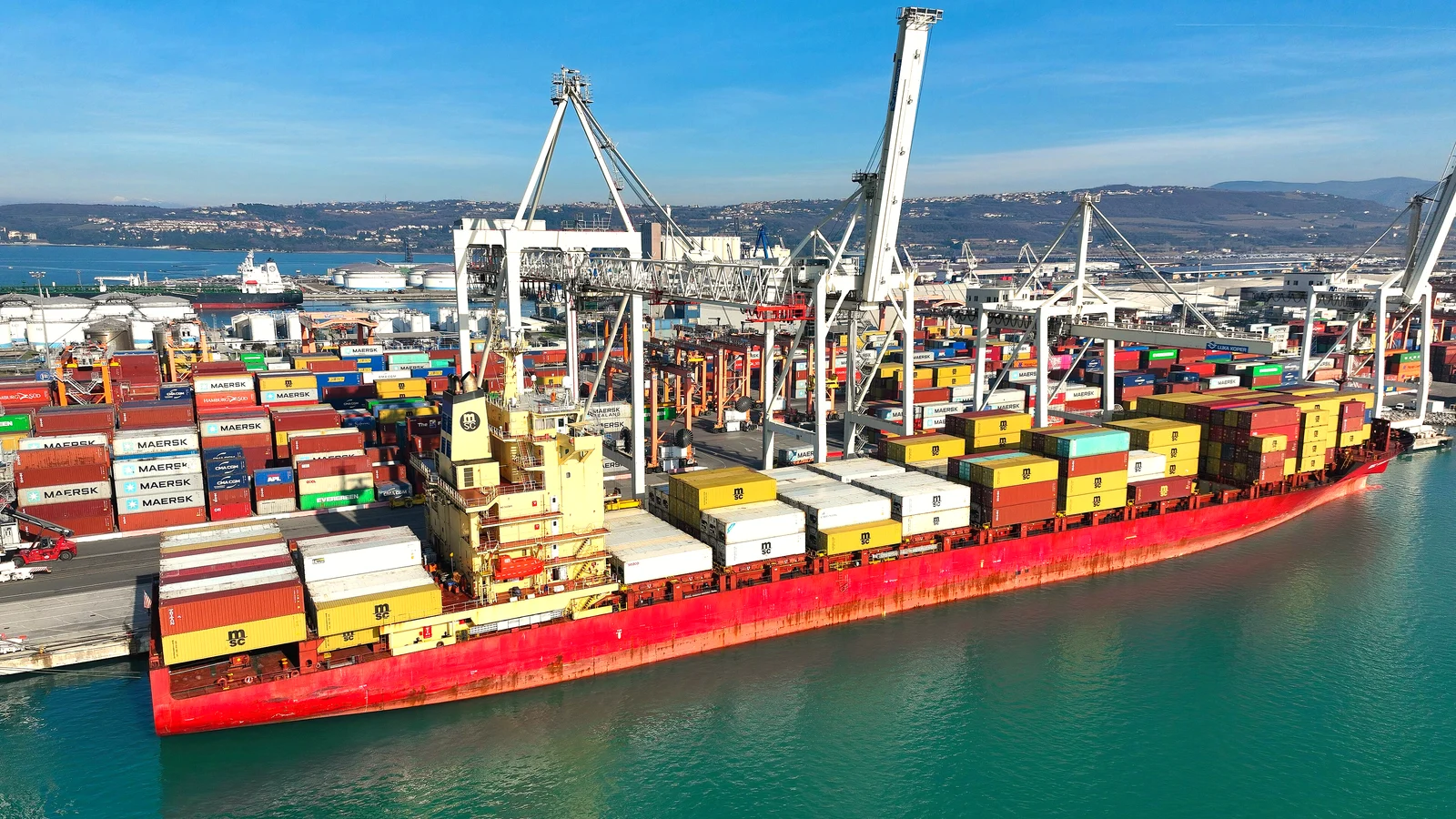
When carriers redraw their networks, the service code often survives while the vessels, ports and transit underneath it move. Track the hulls, not the label.
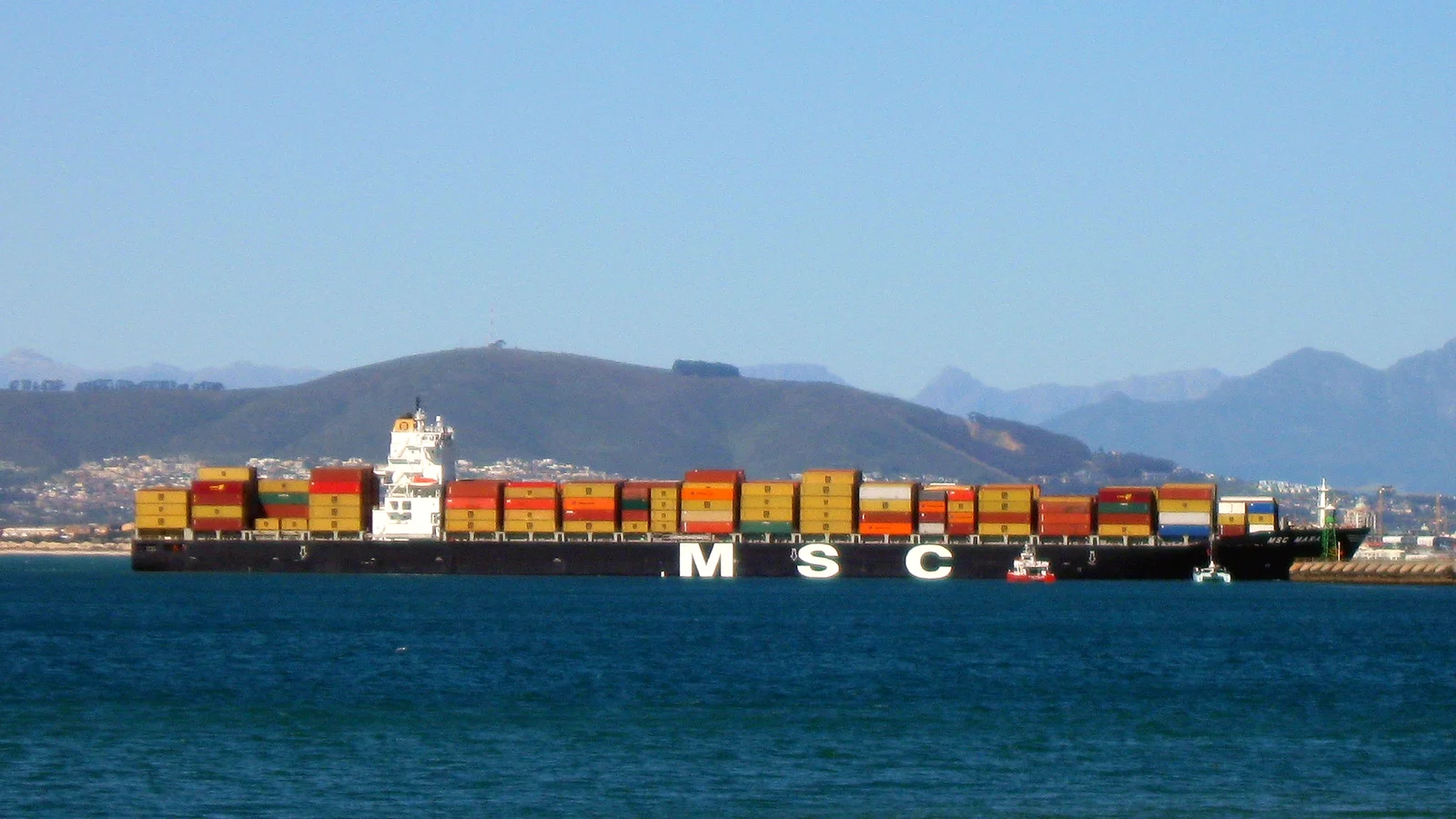
When East–West services route around the Cape of Good Hope, the headline is the diversion. The number that hits your business is the extra transit.
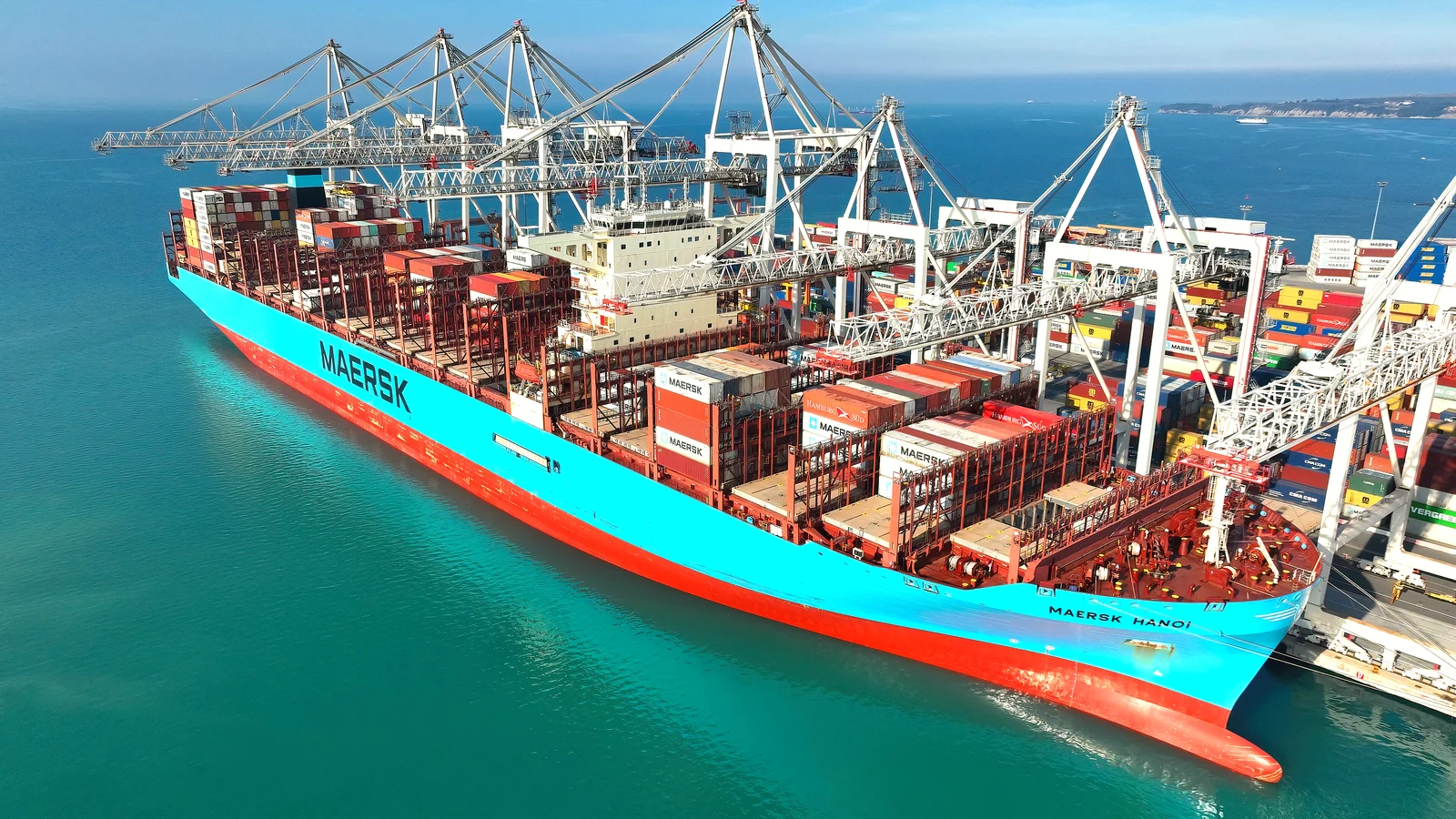
When carriers pull capacity to prop up rates, the nominal schedule starts lying. Book on reliability, not on the timetable.

IMDG updates land on a cycle, and most of the text never touches your day. The parts that do are segregation and what goes on the box: get those into the plan.
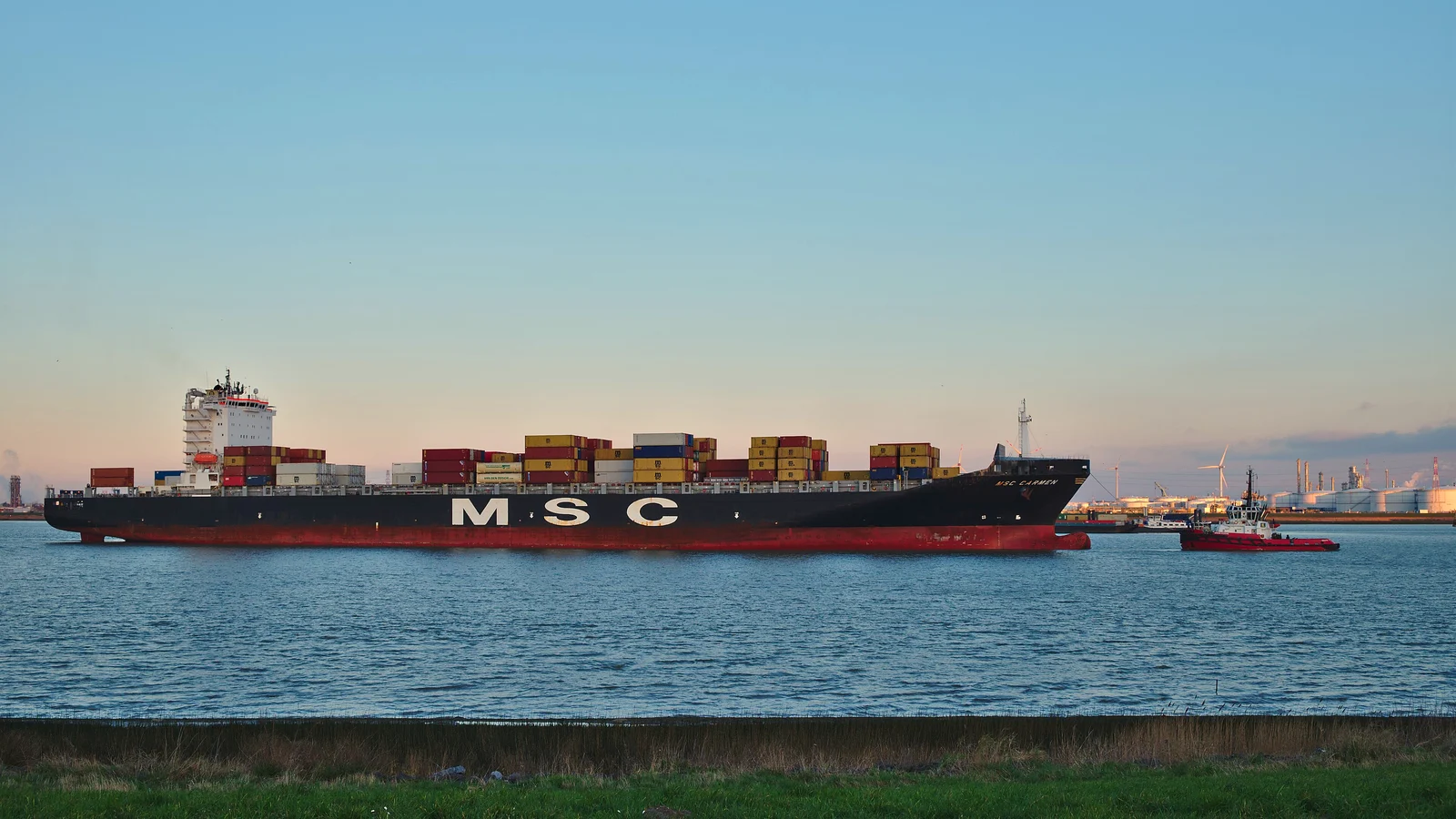
When Rotterdam, Antwerp and Hamburg clog up, the carrier’s published ETA is the last thing to admit it. Here’s the knock-on, and how to see it first.

The SOLAS verified gross mass rule is old news, but a wrong or missing VGM still rolls containers at the gate. It’s a planning problem, not a paperwork one.

Rising dwell at LA/Long Beach or Oakland shows up in your container’s real timeline days before it makes a headline. Watch the port, not the press.

Most container loading is done from experience and a tape measure. The rules cargo actually ships under, CTU, IMDG, axle and CoG, belong in the plan, before the doors close.
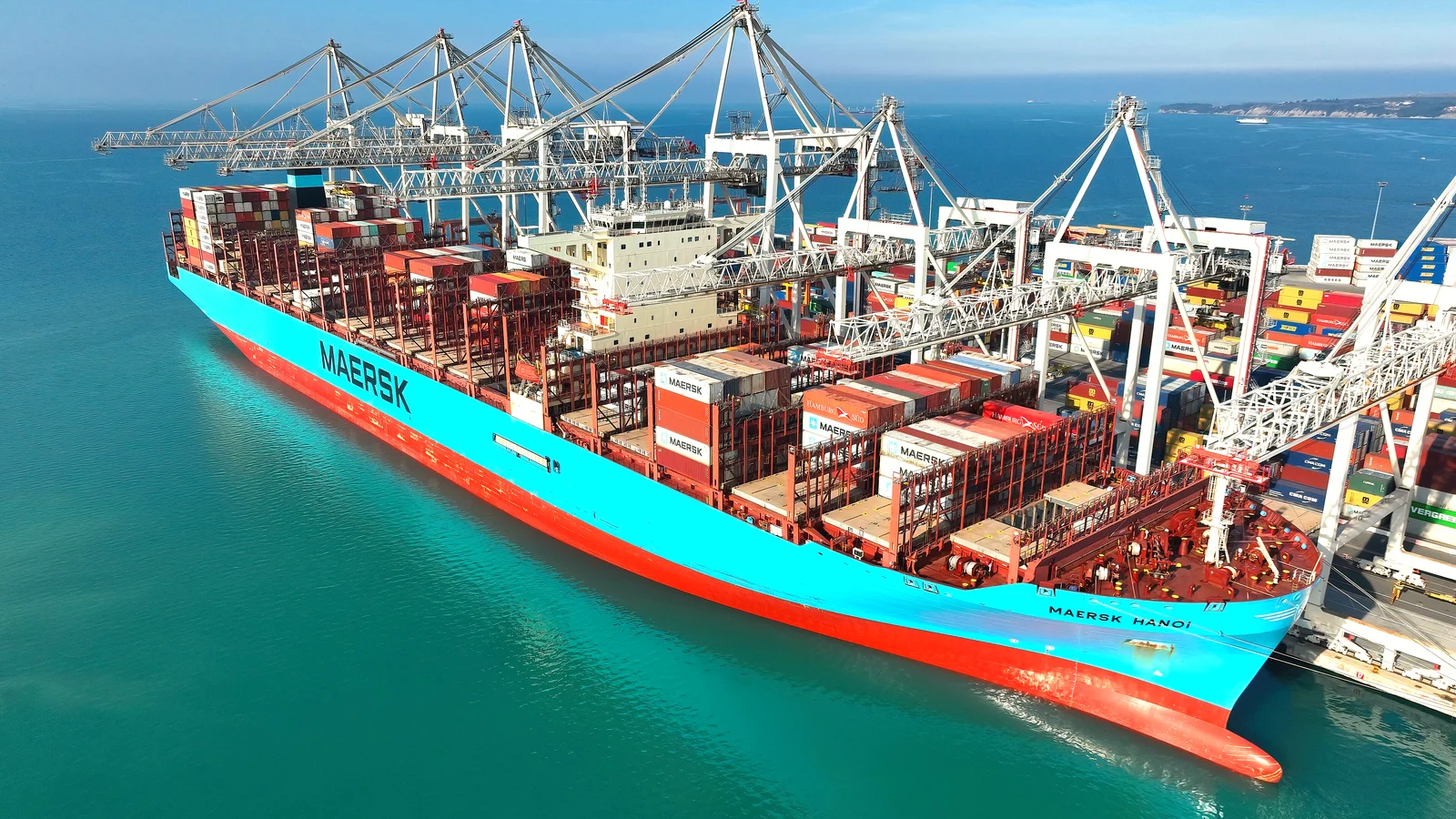
Carriers share vessels, so most schedule tools show one sailing as three near-identical rows. Grouping by the physical hull is how a freight desk actually thinks.
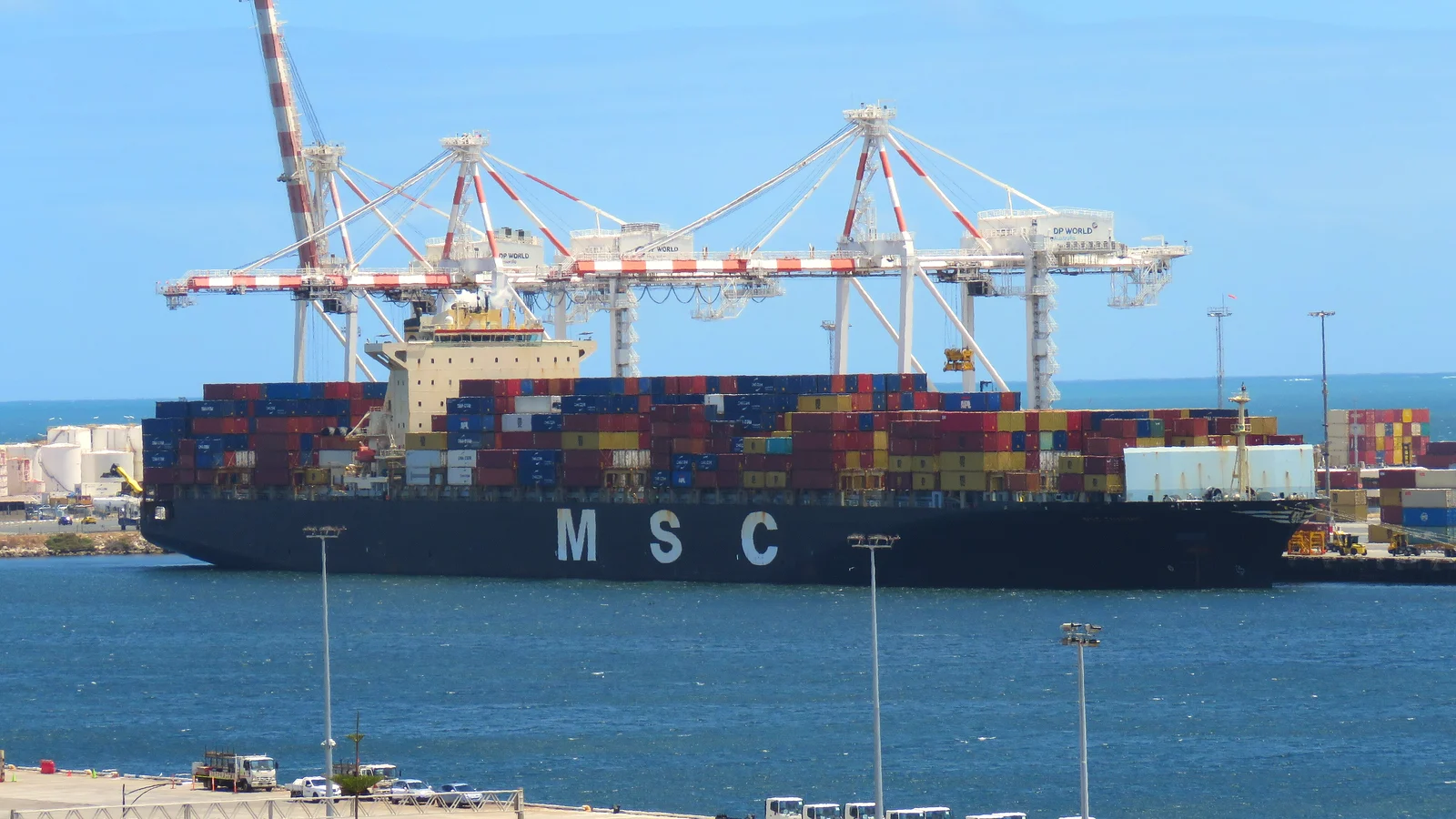
The most common lie in container tracking is a confident status with no event behind it. Here is how to tell a truthful ETA from a hopeful one.