

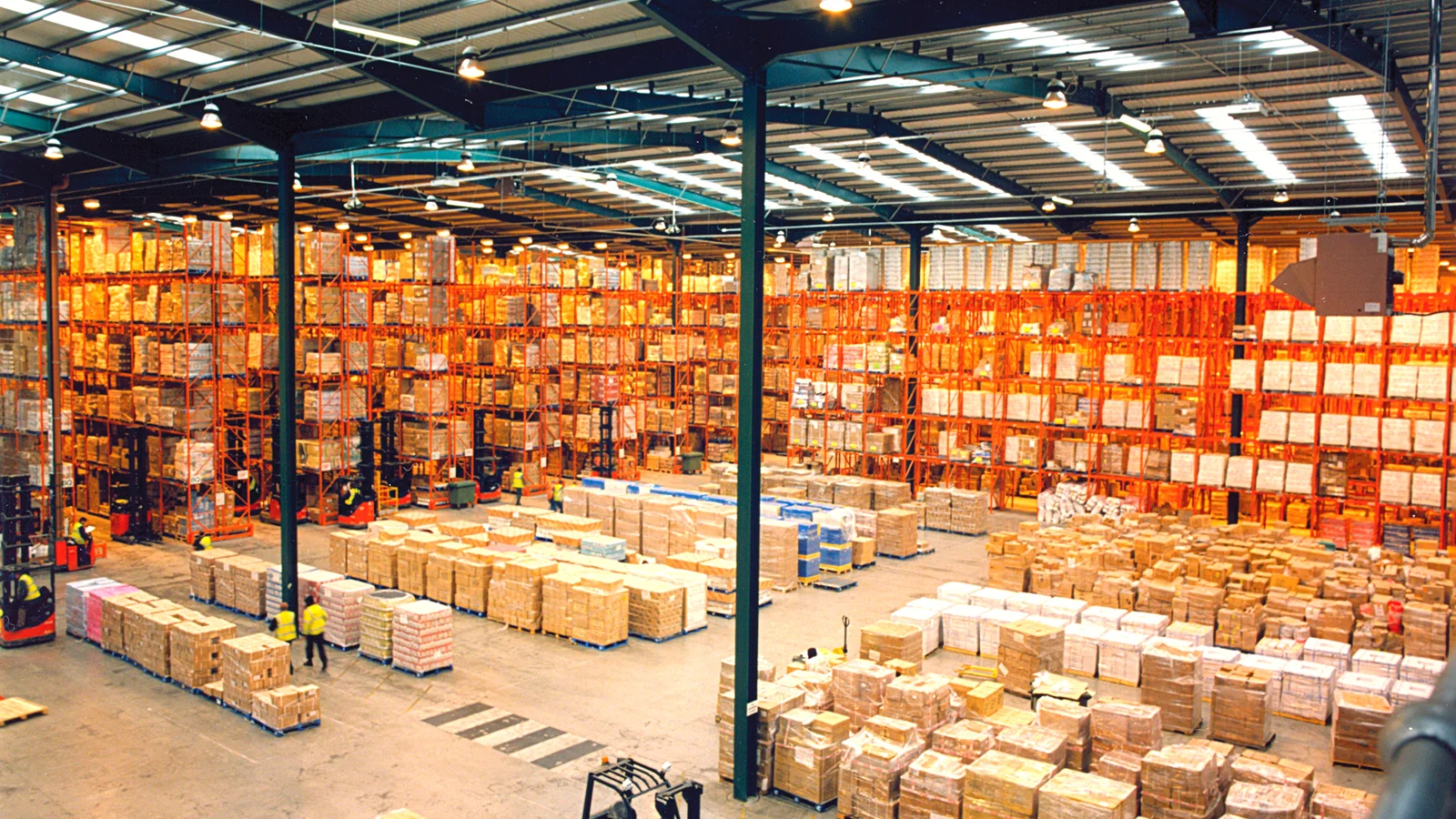
Cargo rarely forgives optimism once it leaves your warehouse loading dock. When a business expands into cross-border sales, moving inventory across oceans and borders introduces moving pieces that quickly punish guesswork. Choosing an international freight forwarder shapes whether shipments arrive intact and cleared through border checkpoints or sit stranded in port storage and face costly delays.
A thorough freight forwarder selection process comes down to verifying daily operational discipline in a handful of practical areas.
Cargo Track Record and Packaging Standards
Every commodity brings distinct physical risks during transit. Shippers moving machinery need different load securing than companies moving dry foodstuffs or fragile electronics. Ask potential logistics providers for client references whose cargo profiles match your dimensions, weight classes, and fragile components.
A competent forwarder understands proper packaging so goods do not break or soil during transit across international routes. Beyond packaging, your provider needs a wide network of local destination contacts. Local contacts step in directly when documentation errors or regulatory questions threaten clearance holds.
Integrated Fleets Versus Independent Partner Networks
Before you compare an international freight forwarder against another, know which model it runs. Freight forwarding models fall into two distinct structures (and if you are unsure where a forwarder ends and an NVOCC begins, see shipping agent vs freight forwarder vs NVOCC). You have multinational forwarders operating internal branch offices worldwide, alongside independent agencies that collaborate through vetted global partner alliances.
Independent forwarding networks offer operational flexibility that integrated conglomerates often lack. An independent agent selects local trucking firms, customs specialists, and regional carriers based on route performance and cost benchmarks across trade lanes. Either way, ask which permits the forwarder holds for each transport mode it sells.
Multimodal Routing and Consolidation Options
Moving goods from factory floor to overseas shelf rarely happens on a single conveyance. Multimodal transport solutions link container vessels, air cargo charters, cross-border rail links, and over-the-road freight trucks. Combining ocean transit with regional air or rail legs lets businesses adjust for tight delivery windows without paying full airfreight rates across the entire route. Sound routing reduces overhead costs, maximizes shipping space, and avoids unnecessary delays that compromise delivery schedules.
For smaller cargo batches, ask about freight consolidation services. Consolidating shipments allows multiple businesses to share container space and transport costs, getting products moved at the right time without paying for empty capacity.
Customs Accreditations and Border Clearance
Customs clearance can derail a shipment faster than severe weather. Verifying customs compliance certifications (IATA cargo agent registration, FIATA credentials, Registered Customs Representative status, and AEO or CTPAT security ratings) confirms compliance and speeds up administrative processing at international borders.
Cargo Insurance Coverage
Insurance protection matters on both sides of every international shipment. A dependable forwarding partner maintains policies that protect their commercial operations, cargo, and services against unexpected hazards that arise during transit. Confirming comprehensive cargo insurance coverage upfront guarantees that your business is dealing with a professional logistics partner equipped to handle unforeseen shipping risks.
Supplementary Warehouse and Distribution Support
Identifying the full range of services a logistics provider offers shortens your search significantly. Ask whether a forwarding partner handles secure warehousing, tailored packing, and order distribution to varied customer destinations. Some providers extend into eCommerce returns, product kitting, climate control and lot tracking. Partnering with a provider that manages fulfillment alongside freight transit eliminates handoff delays between separate third parties.
Supply Chain Visibility and Team Stability
True supply chain visibility combines digital tracking tools with dedicated human support. Online portals allow shippers to monitor cargo progress, but an operator should actively track movements and alert you to unexpected anomalies. An independent container tracking feed is a useful check on what the forwarder reports.
Behind the software sits the operational team. High staff turnover inside a forwarding agency is an operational red flag that leads to mishandled paperwork and missed cargo connections. Research international logistics job postings, industry forums, and customer review sections to evaluate staff retention. Tenured staff understand industry nuances and provide accurate quotes without compromising service standards.
Test responsiveness directly during your initial quotation stage. Contact customer service to observe how promptly representatives answer calls and how accurately they address cost details, available service options, and delivery deadlines. A clear, well-informed quote reflects operational competence. Once you select the ideal forwarder for your freight needs, challenge them each year to deliver exceptional service and earn your ongoing business.
Frequently asked questions
What should I check before hiring a freight forwarder?
Ask for evidence that it moves cargo like yours on your lanes, which partners handle the legs it does not run itself, what customs authorisations and insurance it holds, and who your day-to-day contact will be. References from shippers with similar freight say more than a brochure.
What is the difference between a freight forwarder and an NVOCC?
A freight forwarder arranges transport on your behalf and books space with carriers. An NVOCC issues its own bill of lading and takes carrier responsibility toward you, even though it owns no ships. Many forwarders also operate as NVOCCs.
Are freight forwarders liable for lost or damaged cargo?
Only within limits. Standard trading conditions cap liability per kilo or per shipment, often well below the cargo value. For full protection you need separate cargo insurance, which many forwarders can arrange.