

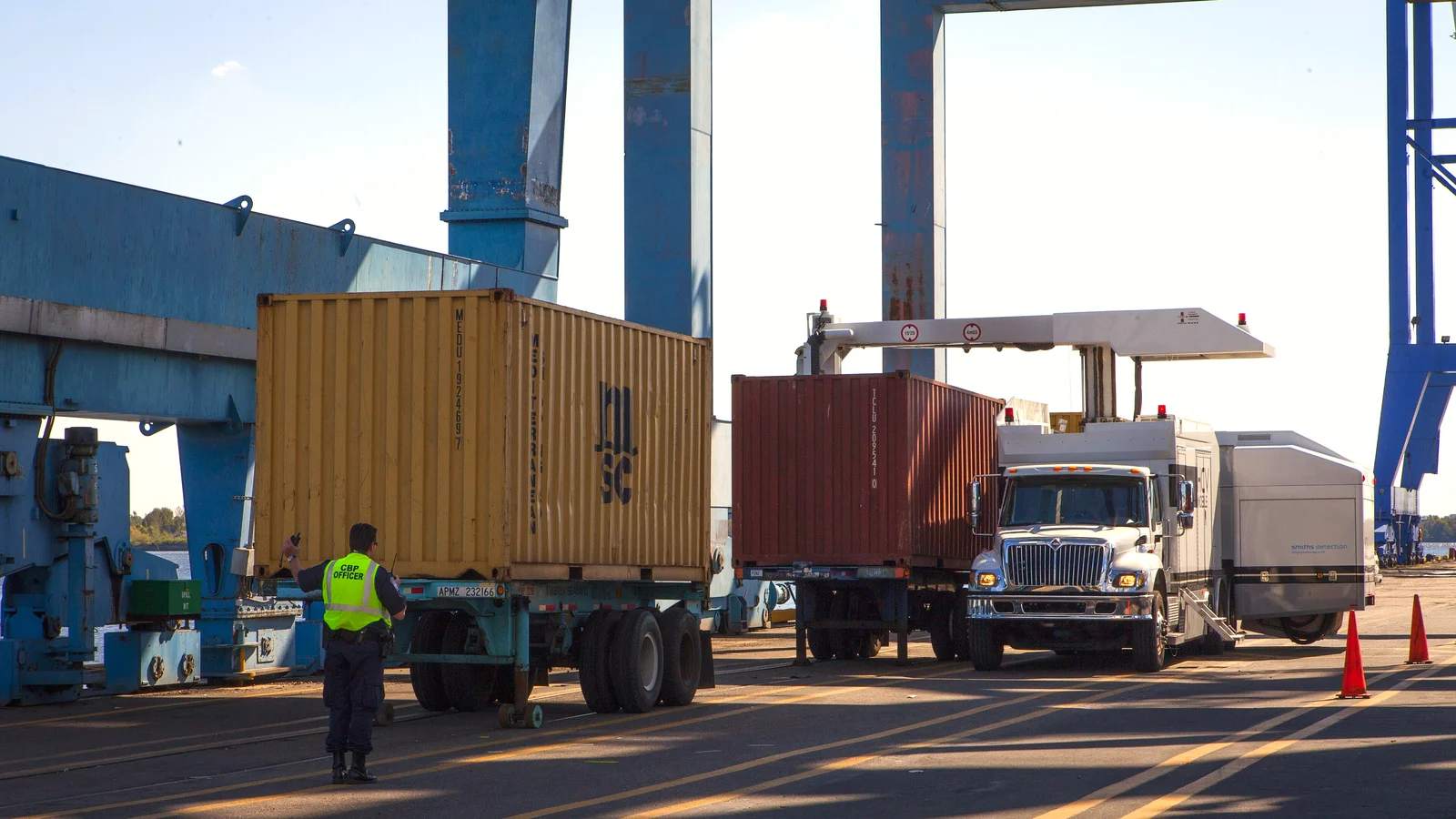
Paper still runs the world’s ports. Every container that crosses a border drags a shadow of documents behind it, and if even one page in that shadow is wrong, the box sits. International shipping documents hand customs officers a paper trail that proves what the goods are, where they came from, what they’re worth, and whether they’re legal to move. The exact stack shifts a little from country to country, but the core documents stay recognizable everywhere, and getting them right is less about paperwork skill and more about knowing what each form is actually for.
Where the checks start
The requirements depend on what’s being shipped, how it’s moving, and where it started. In the United States, customs brokers, freight forwarders, and carriers submit a batch of supporting documents before an import or export shipment gets processed at all. Once a shipment heads into customs clearance, duties and taxes attach to it, so the paperwork has to spell out exactly which goods those charges cover.
Ten international shipping documents make up the core of a declaration: the bill of lading, the packing list, the proforma and commercial invoices, the certificate of origin, the certificate of free sale, the dangerous goods form, the bank draft, the air waybill, the shipper’s letter of instruction, and the incoterms that govern the deal. Here’s what each one actually does.
The Bill of Lading, Inland and Ocean
An airline or shipping line issues this one as a guarantee that the cargo will actually arrive. It lists what’s being shipped, how much of it, and where it’s headed. The term started out tied strictly to ocean freight, and inland carriers picked it up later as trucking and rail got folded into the same shipping chains.
More carriers now issue this one electronically alongside the paper version. Which of the seven types of bill of lading you hold decides who can claim the cargo.
The Packing List
Drawn up by the shipper before the goods ever leave the warehouse, the packing list spells out what’s actually in the shipment. It carries the shipper’s name and address, the consignee’s name and address, and an itemized list of what’s inside and how much of it there is. Customs uses it to cross-check the shipment against everything else in the file.
Proforma and Commercial Invoices
A proforma invoice goes out before the shipment moves. It lays out sale terms, who’s involved in the transaction, the currency, a description of the goods, pricing, and classification. It functions as a placeholder, something a buyer can use to confirm an order and arrange payment before the real paperwork exists. The commercial invoice comes later and carries the full detail of the export transaction itself. The commercial invoice, packing list and pro forma each answer a different question for the officer reading them.
Certificates of Origin
A trade agency, consulate, or similar designated body issues the certificate of origin to confirm where goods were actually made, and that they comply with local import and export rules.
Shipper’s Letter of Instruction
The shipper’s letter of instruction lays out the general terms for the shipment: payment conditions, packing instructions, and whatever other details the shipper wants followed through the chain. A forwarding agent typically passes this document along to the shipping line on the shipper’s behalf. It sounds like a formality until it’s missing or vague, at which point everyone downstream is left guessing.
Certificate of Free Sale
Picture an exporter trying to move a batch of cosmetics or medical products without this one; the shipment simply won’t clear. Also known as the certificate for export, a local customs broker typically issues this on the exporter’s behalf, confirming the goods are free of duty or VAT and already approved for sale in the country of origin. For certain regulated categories, it’s a mandatory requirement.
Dangerous Goods Form
Any cargo classified as hazardous needs this form, no matter what kind of hazard it is. A hazardous materials declaration gathers the UN number, the packing group, the shipper’s details, the cargo’s name and class, the quantity, and the net weight, among other specifics, so the shipment meets international handling rules.
Air Waybill, and Paying for It
An air waybill works like a receipt, issued by the airline for air cargo, and the waybill number lets a shipper track the cargo through to delivery. IATA describes the air waybill as the document that constitutes the contract of carriage, and it has pushed the industry to issue it electronically.
Shipment costs still need to get paid somewhere along the line, and a bank draft remains one of the most widely used ways to cover freight charges and the duties owed on arrival.
Incoterms
Incoterms, the International Commercial Terms published by ICC, are the shared rulebook for ocean and air freight deals. Eleven terms assign responsibility and risk between buyer and seller, things like Cost and Freight (CFR), Delivery at Place (DAP), Ex Works (EXW), and Free Alongside Ship (FAS). Picking the wrong one changes who’s on the hook if something goes sideways mid-shipment.
Customs clearance, export and import sides
Preparing customs documentation means understanding two separate processes running in parallel: export clearance on one end, import clearance on the other. Six players sit inside those processes and shape what paperwork gets triggered when: the shipper, the origin warehouse, the origin port, the destination port, the destination warehouse, and the consignee.
Start with the consignor. Getting goods from their own location to the origin warehouse run by a non-vessel owning common carrier is called export haulage. From there, a freight forwarder moves the cargo to the shipping line at the origin port, a step known as origin handling. From that point on, an ocean carrier bridges the gap between origin and destination ports. Once the goods land, they go through clearance, after which a logistics company on the receiving end moves them to the destination warehouse, a step called destination handling. From there, import haulage covers final delivery to the consignee.
An importer’s side of the paperwork mirrors most of this. In the EU, Access2Markets lists the documents customs expects at import. They need a bank draft, an import license, an air waybill, a commercial invoice, an importer security filing, a bill of lading, an arrival notice, and an import customs declaration.
Where the filing actually breaks down
Freight document accuracy matters more than it sounds. Exporters often struggle to put together the shipper’s letter of instruction correctly, and the details inside it can drift out of sync with the rest of the file. Incoterms create a similar problem: contracts can go years without anyone revisiting the terms, leaving responsibility for loss, damage, or delay unclear until something goes wrong. Comparing every document in the file against the others before the box leaves the warehouse catches these gaps early, and a container tracking record shows when a held box finally moves.
Frequently asked questions
What documents are needed for international shipping?
The core set is the bill of lading or air waybill, the commercial invoice, the packing list and, where the destination asks for it, a certificate of origin. Regulated goods add forms such as a dangerous goods declaration or a certificate of free sale, and the contract should name an Incoterms rule.
What is the difference between a proforma invoice and a commercial invoice?
A proforma invoice is sent before the goods move, so the buyer can confirm the order and arrange payment. The commercial invoice is issued for the actual shipment and is the one customs uses to check value, description and duty.
Why do shipments get held at customs?
Most holds come from documents that disagree with each other: a quantity on the packing list that does not match the invoice, a vague description, a missing certificate, or an Incoterms rule nobody revisited. Customs cross-checks the file, so one inconsistent line can stop the whole container.